1Highlights
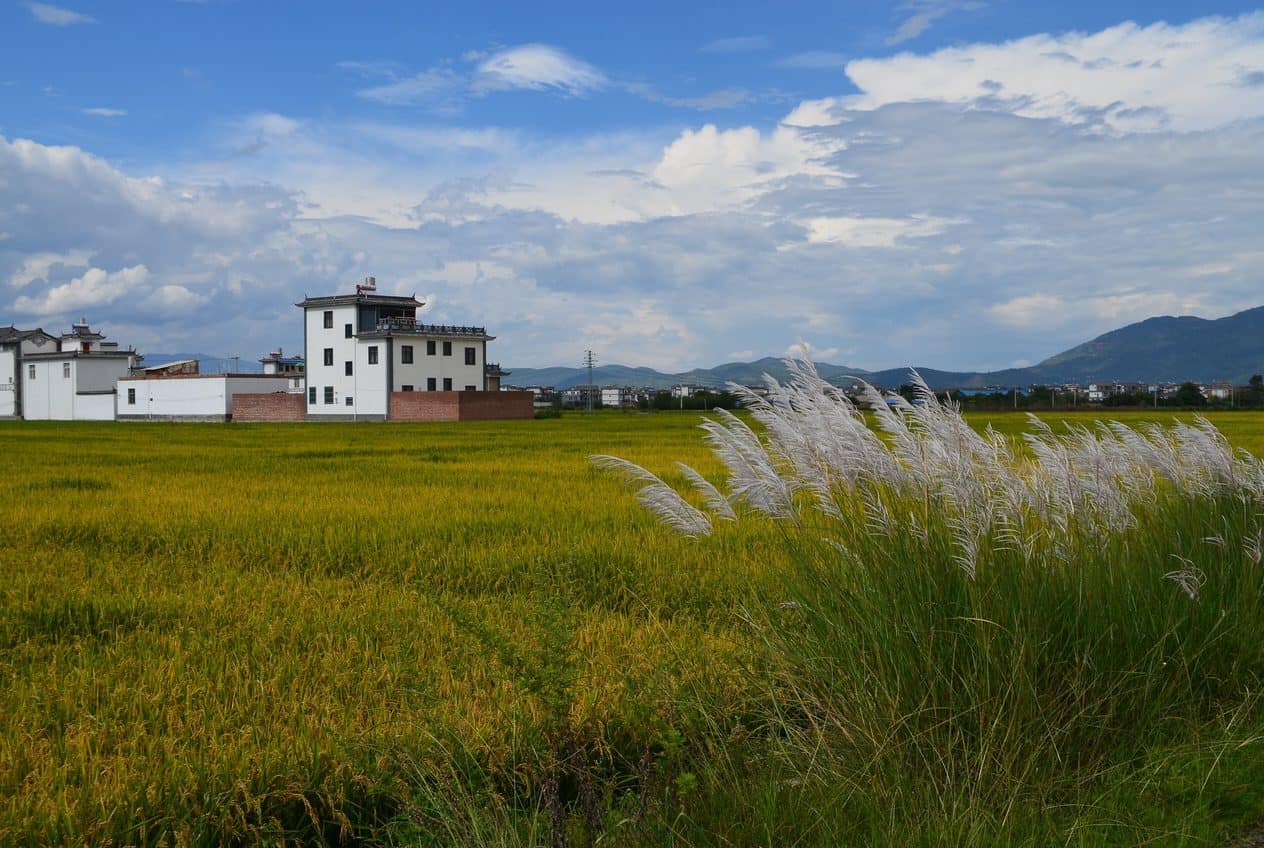
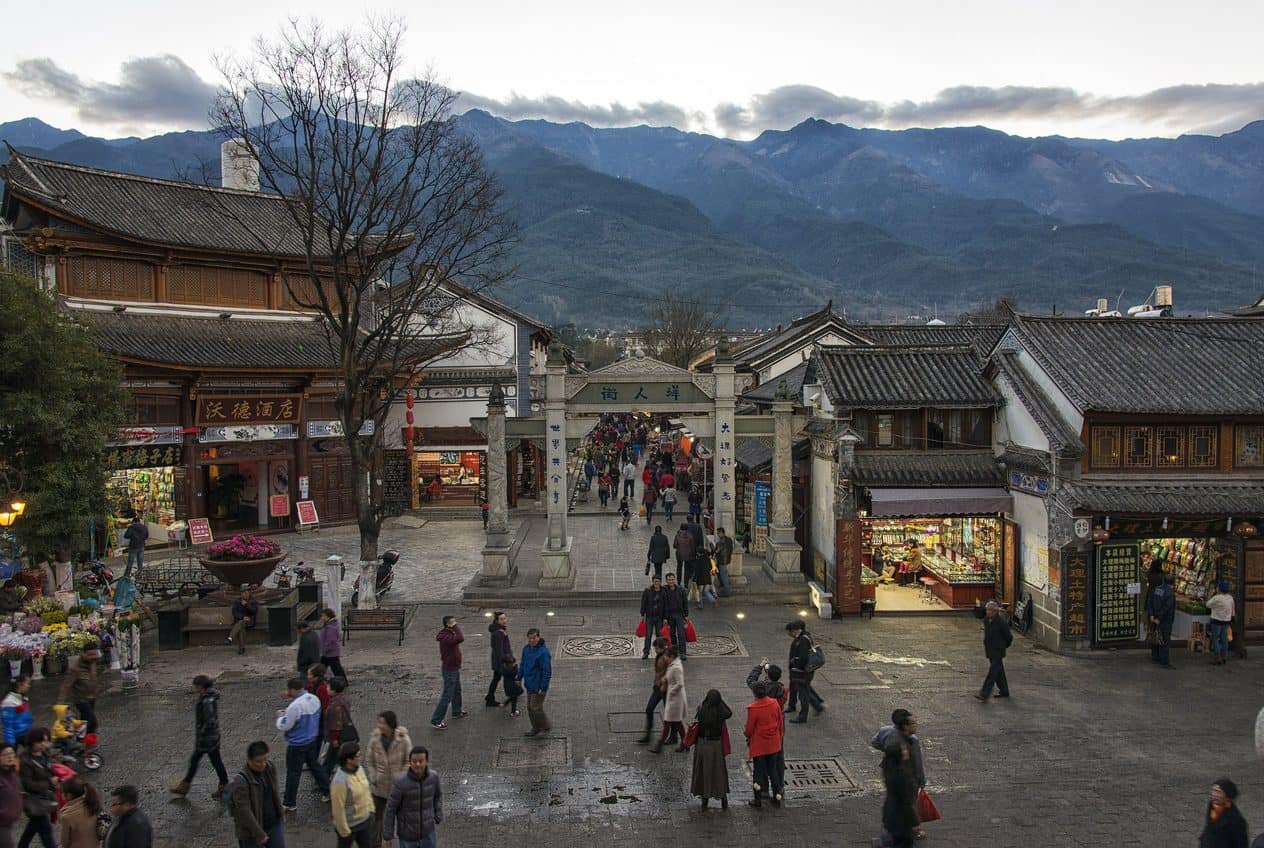
Xizhou is a Bai market town on the west shore of Erhai, and it is where the merchant families who made money on the tea-horse trade built their houses. The 'three wings and a screen wall' courtyard layout survives here far more completely than in Dali Old Town, and the town is still a working place rather than a preserved one. It is free to walk into; only the individual courtyard museums charge, and they charge very little. Around it are the rice fields that turn gold in September and October, the tie-dye village of Zhoucheng a few kilometres north, and Haishe Park on the lake — which is free but admits only 200 people a day, so it needs booking long before you set out.
- Town entry
- Free
- Yan Family Compound museum
- About ¥21–22 (child/student ~¥12)
- Careful
- Two different 'Yan' houses in town
- Xizhou baba
- ¥5–10 each, eaten hot
- Zhoucheng tie-dye
- From about ¥50 to make your own
- Haishe Park
- Free, but 200 a day and booked ahead
- From the old town
- About 18km, 30 minutes
- Best season
- September–October for the fields
2Tickets
The town costs nothing. What you might pay for is a courtyard, and here is the thing nobody warns you about: there are two separate 'Yan family' properties in Xizhou. The Yan Family Compound museum on Sifang Square is about ¥21–22 (children and students about ¥12) and is the one people mean when they talk about the finest Bai merchant house. The Yan Family Residence on Fuchun Lane is a different site at about ¥18, with packaged tickets around ¥50–90 bundling the three-course tea ceremony, a tie-dye session and baba tasting. Guides quoting '¥20–35' for 'the Yan house' are blurring two different places. Zhoucheng tie-dye sessions start around ¥50, and premium workshops run to about ¥180 for a finished T-shirt or tablecloth.
| Xizhou town | Free | Open streets. Sifang Square, the corner tower and the lanes cost nothing. |
|---|---|---|
| Yan Family Compound museum (Sifang Square) | About ¥21–22 | The one to see — the most complete merchant courtyard. Children and students about ¥12. Last entry is well before closing. |
| Yan Family Residence (Fuchun Lane) | About ¥18 | A different, smaller site. Packages at about ¥50–90 add the tea ceremony and a tie-dye session. |
| Zhoucheng tie-dye session | From about ¥50 | Dye a piece yourself and take it home. Allow two hours; the cloth needs to dry. |
| Haishe Ecological Park | Free — 200 a day, booked ahead | A peninsula into the lake, ten minutes from town. Without a slot you will not get in. |
| Wheat-field tourist train | About ¥35 | A loop through the fields. Fun with children, skippable otherwise. |
One courtyard is enough:The Yan Family Compound museum on Sifang Square shows the 'three wings and a screen wall' layout, the painted eaves and the wood carving better than anything else in town, and it costs about ¥21. Having seen one properly, the value is in wandering the lanes rather than paying into a second courtyard that repeats it.
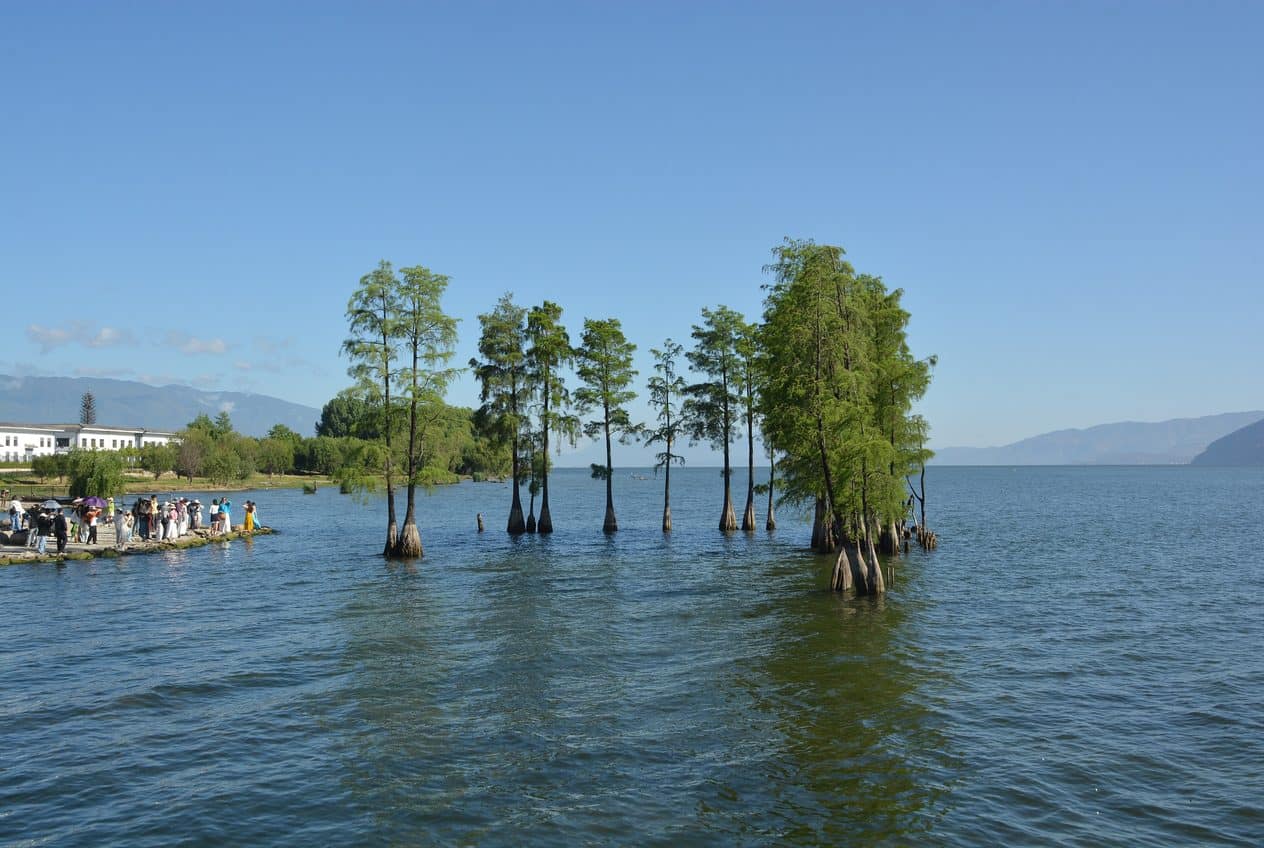
Haishe Park is not a casual add-on:It is ten minutes from Xizhou, it is free, and it is one of the prettiest stretches of shore on the lake — which is why it admits 200 people a day on advance booking through the official mini-programme. Slots disappear almost immediately when released. Plenty of Xizhou itineraries do not mention Haishe at all, or treat it as a casual stop. Book it before you leave your hotel or leave it out.
3Getting There
Xizhou is about 18km north of the old town — half an hour by taxi, or a local bus for a few yuan. The nicest way in is to ride the Erhai corridor up from Caicun and arrive for lunch, which also means you are not paying for a car twice. Zhoucheng is a few kilometres further north again.
Old town → Xizhou, about 30 minutes
Old town or Xiaguan → Xizhou
Caicun → Xizhou, about 15km along the lake
A few kilometres north, bus or taxi
Ride up, taxi back:Xizhou sits at the natural end of the best stretch of the Erhai corridor, so the clean version of the day is to ride up from Caicun in the morning, eat here, and take a car back once your legs have had enough. Doing it as a return ride turns a pleasant fifteen kilometres into thirty.
4Route & Photos
Suggested: Sifang Square → the Yan Family Compound → the corner tower and the old lanes → baba straight from the oven → the rice fields → Zhoucheng for tie-dye if you have time. In September and October the fields around the white courtyards turn gold and the town is at its best; the rest of the year it is quieter and the courtyards carry the visit.
Recommended Route
- 1
Sifang Square
The centre of town, where the baba stalls cluster and the Yan Family Compound museum stands.
- 2
Yan Family Compound
The merchant mansion — three wings and a screen wall, painted eaves, carved wood. About ¥21.
- 3
The corner tower and old lanes
The town's best-known street corner, free, and quietest before mid-morning.
- 4
Baba from the oven
¥5–10, savoury with ham and spring onion or sweet with brown sugar and rose. Eat it where you buy it.
- 5
The rice fields
Gold in autumn. Shoot from the paths — these are working fields, not a set.
- 6
Zhoucheng (optional)
A few kilometres north, the home of Bai indigo tie-dye, with hands-on workshops from about ¥50.
Best Photo Spots
The corner tower
Xizhou's signature street corner. Early morning or a weekday, otherwise it is a queue.
Field edges in autumn
White Bai courtyards, gold fields and Cangshan behind — the three things Xizhou has that nowhere else does.
5Food & Stay
| Sifang Square stallsXizhou baba | ¥5–10 each | Baked to order over coals. Worth queueing for, and only good hot. |
|---|---|---|
| Small local restaurantsBai home cooking | ¥40–80 pp | Better value than the old town and the reason to time your ride to arrive at lunch. |
Try both kinds of baba:Savoury is ham and spring onion; sweet is brown sugar and rose. They are different enough that picking one is a waste of a trip here, and at ¥5–10 each there is no reason to. Eat them standing at the stall — they do not survive the walk back.
Where to Stay
- Xizhou courtyard inns, ¥250–500/night — converted Bai courtyards, genuinely quiet, and they put you in the fields at dawn rather than driving out to them. The obvious choice if you want the town after the day-trippers leave.
6Tips & Pitfalls
- Get the right Yan house. The Sifang Square museum at about ¥21–22 is the one worth seeing; the Fuchun Lane residence at about ¥18 is a different, smaller site. Guides quoting one '¥20–35 Yan house' have merged them.
- Book Haishe Park before you leave, or skip it. 200 people a day, free, and gone within minutes of release — it is not something you decide on at lunch.
- Come for lunch, not for dinner. Ride up from Caicun in the morning, eat here, and head back in the afternoon; the town empties early and transport thins out.
- September and October for the fields. Outside that window the courtyards still carry the visit, but the golden-field photograph everyone comes for is a six-week thing.
- Stay out of the paddies. They belong to people who farm them. Shoot from the paths and the field edges.
7Frequently Asked Questions
Does Xizhou charge admission?
No, the town is free and open. Only the courtyard museums charge: the Yan Family Compound on Sifang Square is about ¥21–22, children and students about ¥12. Official live prices govern.
Which Yan family house should I visit?
The Yan Family Compound museum on Sifang Square, at about ¥21–22. There is a second, separate Yan Family Residence on Fuchun Lane at about ¥18 with tea-ceremony packages around ¥50–90 — easy to confuse, and the Sifang Square one is the better courtyard.
How is Xizhou different from Dali Old Town?
Xizhou is a working Bai market town with far better-preserved merchant courtyards and many fewer visitors; Dali Old Town is livelier, more commercial and built around its main streets. If you only have one daytime slot, Xizhou is the more rewarding one.
Can I get to Haishe Park from Xizhou?
It is about ten minutes away and free, but it admits only 200 people a day on advance booking through the official mini-programme, and slots go almost immediately. Without one you will be turned away at the entrance, so book before you leave your hotel.
Is Zhoucheng worth adding?
Yes, as an add-on rather than a destination. It is the home of Bai indigo tie-dye and the workshops let you dye a piece yourself from about ¥50. Allow two hours, because the cloth has to dry before you can take it.
Combine With
Other Dali sights that genuinely pair well with this one
Before You Go
The practical guides you will actually need here
All Dali attractions
Klook
Book tours, tickets and activities in China
Klook lists tickets, tours and activities for many major attractions in China with an English-language booking flow. Product inclusions, available payment methods, reservation steps, ID requirements, voucher redemption and cancellation terms vary by listing and attraction, so check the product page and the attraction's official rules before paying.
- English-language listings for attraction tickets, guided tours and day trips
- Available payment methods are shown on the individual checkout page
- Reservation and real-name ID details vary by attraction and product
- Voucher format and on-site redemption instructions are product-specific
- Read the cancellation policy and official attraction notices before booking
Disclosure: this is an affiliate link. We may earn a small commission if you buy through it, at no extra cost to you. We only recommend products we would use ourselves.
GoChinaTravel Editorial Team
Our team of China travel researchers combines on-the-ground contributor insights, official government sources, and traveler community feedback to create the most detailed English-language China guides available. Every guide is fact-checked against primary sources (NIA, 12367, official attraction websites, Railway 12306) before publication.