1Highlights
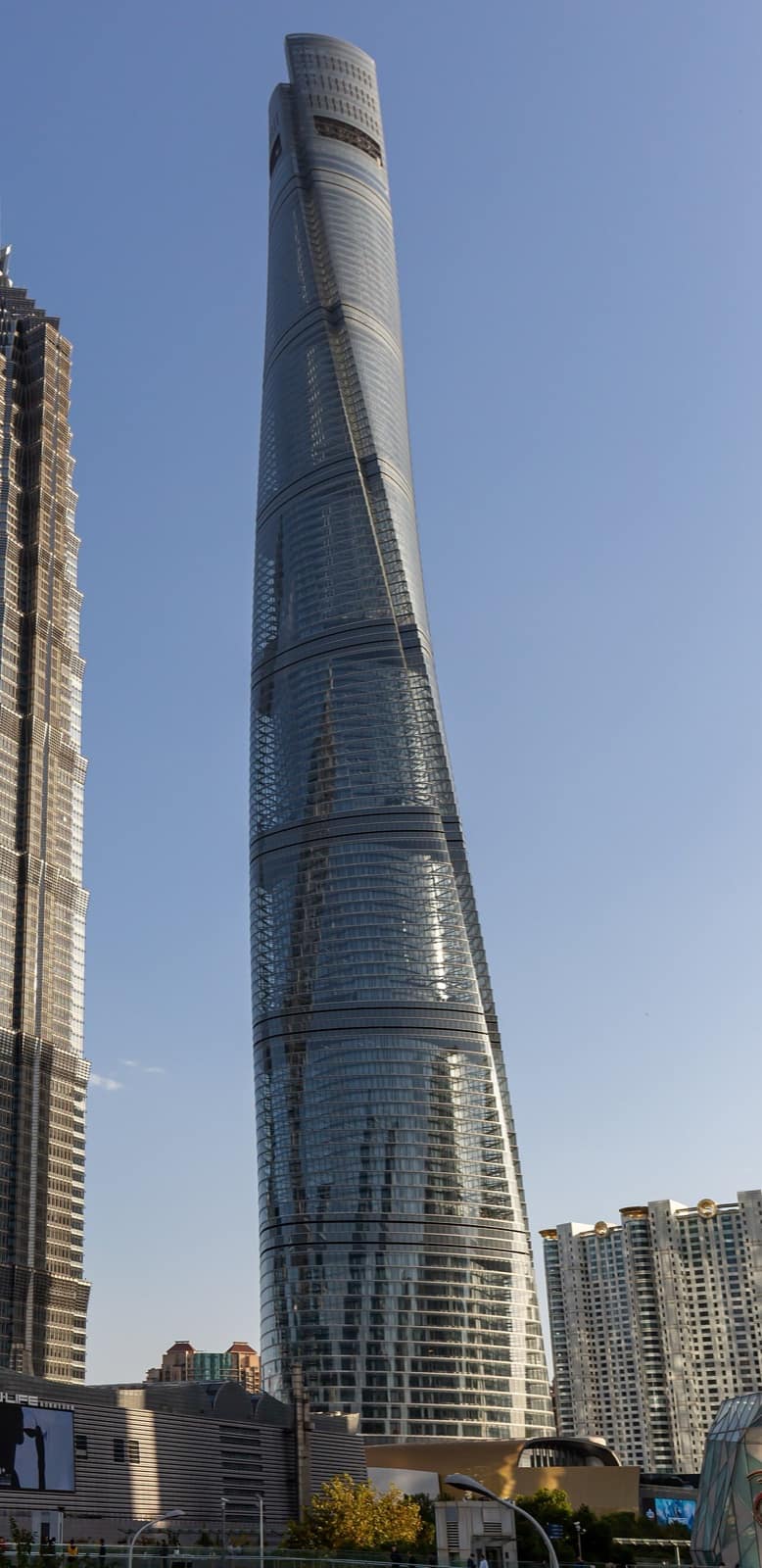
Shanghai Tower rises 632 m and its observation deck sits at 546 m on the 118th floor, which makes it the highest publicly accessible viewpoint in the city and one of the highest anywhere. The lift covers that in under a minute at roughly eighteen metres per second. Those numbers are the reason most visitors pick it, and they are also the reason the decision deserves a second look. In Lujiazui you are choosing between three towers standing within a few minutes' walk of each other, and the tallest is not automatically the best experience. Shanghai Tower gives you altitude and a full 360-degree sweep — at 546 m the city reads as geography rather than streetscape, with the river's bends, the old city, the expo grounds and on a clear day the far suburbs all legible at once. The Jin Mao Tower, lower at 340 m, puts you close enough to see traffic moving and has a glass floor section; the Shanghai World Financial Center at 474 m has a fully transparent glazed walkway and, usefully, is the best place to photograph the other two. The variable that outranks all of this is visibility. A 546 m deck in haze or low cloud sells you a white wall, and the refund policy will not care. Check conditions on the day, and keep in mind that the single most reproduced photograph of these three towers is taken for free from the pavement below.
- Building height
- 632 m, tallest in China
- Observation deck
- 118th floor, 546 m
- Lift speed
- About 18 m per second
- Deciding factor
- Visibility — check before buying
- Jin Mao Tower deck
- 88th floor, about 340 m
- World Financial Center deck
- 100th floor, about 474 m
- Walking between the three
- A few minutes each
- Nearest metro
- Lujiazui station
2Tickets
Admission to the 118th-floor deck is a single timed ticket, sold through the tower's official channel and the usual resellers, with concession rates for children by height, students and older visitors. Several bundles exist — combinations with a river cruise, with a sightseeing bus, with the damper exhibition floors above the main deck, or with photography and souvenir add-ons — and the thing to verify on any listing is that it actually includes the 118th-floor observation experience rather than only an exhibition level or a dining package. The more consequential decision is not which bundle but whether to go up at all on your particular day, and that depends on conditions rather than price. Figures, opening hours, time-slot rules and bundle contents change; confirm on the official channel for your date.
| 118th-floor observation deck | Check current official price | The main product: the 546 m deck with a full 360-degree view. Timed entry; choose a slot against the day's visibility rather than convenience. |
|---|---|---|
| Child, student and senior rates | Reduced | Children are banded by height; students and older visitors need original documents. |
| Damper exhibition floors | Bundle or add-on | Levels above the main deck house the tower's mass damper and related exhibits. Genuinely interesting engineering, but confirm whether your ticket includes them. |
| Cruise or sightseeing-bus bundles | Combination pricing | Often decent value if you wanted both anyway. Check that the deck portion is the 118th floor and that the two components' time slots are compatible. |
| Jin Mao Tower, 88th floor | Separate attraction | Lower, cheaper, and with a glass-floor section. Many photographers prefer it because at 340 m the city still reads as streets and traffic. |
| World Financial Center, 100th floor | Separate attraction | A transparent glazed walkway at about 474 m, and the best vantage point for photographing the other two towers. The deck itself is compact. |
Visibility is the whole product:This is the one warning that matters more than any ticketing detail. On a clear day the 118th floor shows you tens of kilometres; in haze, rain or low cloud it shows you a grey or white blank, and at 546 m you are frequently inside the cloud layer when the ground is merely overcast. Check the day's air quality and cloud base before you commit, and if conditions are poor, either move the visit or choose a lower deck where you are below the murk. A timed ticket bought in advance for a specific slot is the least flexible way to gamble on weather.
Tallest is not the same as best:There is a real trade-off with height. At 546 m you get reach and geography but the city flattens into a map — individual buildings lose scale and the streets stop reading as streets. At the Jin Mao deck around 340 m you are low enough that traffic moves and the towers around you still feel like towers, which is why a lot of photographers rate it higher despite the smaller number. If you are choosing one deck and your priority is photographs rather than altitude, the lower one is a serious candidate. If it is your first time in Shanghai and you want the whole city at once, go high.
A voucher does not mean immediate entry:Confirmed tickets still pass through security, lift queues and timed-slot management, and at peak hours — sunset in particular — the wait to board is a real part of the visit. If you are targeting a specific light, work backwards and allow for the queue rather than arriving at the moment you want to be at the window.
Klook
Compare current Shanghai Tower observation products
Klook may list Shanghai Tower observation products in English. Check that your listing includes the 118th-floor deck itself rather than only an exhibition level or a dining package, then verify the date or time slot, guest category, ID, redemption steps and cancellation policy. Given that this attraction's value depends on visibility, pay particular attention to how flexible the date is before you commit.
- Confirm the listing includes the 118th-floor deck, not only an exhibition floor
- Check how flexible the date is — visibility decides this attraction's value
- Compare against the lower decks before assuming tallest is best
- A confirmed voucher does not guarantee queue-free or immediate entry
Disclosure: this is an affiliate link. We may earn a small commission if you buy through it, at no extra cost to you. We only recommend products we would use ourselves.
3Getting There
Lujiazui is built for this: one metro station serves all three towers, and an elevated circular pedestrian walkway connects them above the traffic. Once you surface you will not need any further transport, and the walkway itself is one of the better free vantage points in the district.
Metro Line 2, with exits feeding directly into the elevated walkway system. All three towers are a few minutes' walk from here.
The raised pedestrian ring linking the towers and the riverside. Free, and the standard place to photograph all three towers together from below.
The public ferry crosses from the Bund for a couple of yuan in about ten minutes, landing you on the Pudong riverside — a more interesting arrival than the metro and the cheapest river view in the city.
The riverside walk south of the towers gives the classic view back toward the Bund. Combine the deck with the promenade and you get both directions in one evening.
Straightforward for arrival. Leaving at peak closing time is slower than the metro, as everyone exits the towers within the same half hour.
Routes stop in Lujiazui and are sometimes bundled with deck tickets. Useful only if you want the bus anyway; the metro is faster for this specific trip.
The best photograph of these towers is free:The image everyone wants — all three towers in one frame, leaning in above you — is taken from the pavement and the elevated walkway below them, not from inside any of them. There are spots at street level where the ground is actually marked for it; set a phone low, use the wide lens and shoot upward. From inside Shanghai Tower you cannot photograph Shanghai Tower, which sounds obvious but regularly surprises people who bought a ticket expecting the postcard shot.
Two decks in one evening is realistic:Because the towers are a few minutes apart, a common and effective plan is to take a lower deck in late afternoon for the sunset — where the warm light on the city still reads — then walk across and take the 118th floor once it is fully dark for the lit panorama. You get both the golden light at human scale and the night map from altitude, and you skip the single worst slot at each, which is the sunset crush at whichever one you only visit once.
4Route & Photos
Treat this as a district decision rather than a single-attraction visit. The towers, the walkway and the riverside promenade are one continuous experience, and the order you take them in determines whether you see Shanghai in good light or just see it from high up.
Check the sky before you buy, not after:The order of operations that saves money here is simple: look at the day's visibility first, then decide whether and which deck to buy. Advance-purchase timed tickets for a specific hour are the wrong instrument for a product whose entire value depends on the weather at that hour. If the forecast is hazy, the lower decks or the free walkway will serve you better than a refund request.
Recommended Route
- 1
Check visibility, then buy
Air quality and cloud base, in that order. If the number is bad or the cloud is low, defer the deck and spend the afternoon on the walkway and the promenade instead — the towers from below are free and work in any weather.
- 2
Arrive at Lujiazui and walk the ring first
Before going up, spend fifteen minutes on the elevated walkway. This is where the three-tower photograph comes from, and seeing the towers at ground scale first makes the view from the top make more sense.
- 3
Take a lower deck for the sunset, if you are doing two
The Jin Mao deck at around 340 m holds warm light on the city better than a higher one does, and its glass-floor section is more fun in daylight when you can see what you are standing over.
- 4
Go up Shanghai Tower after dark
Clear security, ride the lift, and give yourself time to orient before shooting. Work your way round the full circle: the river's bends, the Bund facing you, the old city, the expo grounds, the suburbs dissolving into haze.
- 5
Find the damper and the exhibition floors
If your ticket covers them, the floors above the main deck explain how a 632 m building handles wind and earthquakes. The mass damper is the single most interesting object in the building and the part most visitors walk past looking for a window.
- 6
Shoot through glass properly
Press the lens against the glass or cup a hand around it to kill reflections, turn off the flash, and find a spot away from the interior lighting. This single habit does more for your photographs than any deck choice.
- 7
Come down and walk the promenade
Finish at river level looking back at the Bund's lit facades from the Pudong side — the view you cannot get from inside any tower, and the one that is free.
Best Photo Spots
All three towers from street level
The defining Lujiazui image, taken from the pavement and the elevated walkway below. Set the phone low, go wide, shoot upward so the towers converge. Free, and there are marked spots where the geometry works best.
The river's bend from the 118th floor
At 546 m the Huangpu's curve through the city is the composition that justifies the altitude — a view that reads as geography, not streetscape. Shoot it while there is still light in the sky rather than against pure black.
Looking down on the other two towers
From the 118th floor the Jin Mao spire and the World Financial Center's opening are below you, which is a perspective available nowhere else. It is also the clearest demonstration of how much higher this deck is.
The Bund from the Pudong promenade
Free, at river level, and the single most reproduced night view of Shanghai. Pair it with the deck on the same evening: the city from above, then the historic bank from across the water.
The mass damper
An industrial object hanging in the top of a skyscraper, lit for display. A genuinely unusual photograph and a change of subject from the view, which every other picture on your phone will already be.
5Food & Stay
| Lujiazui mall food courtsReliable, unremarkable | Varies | The towers sit among large malls with full dining floors. Convenient before or after a timed slot, and far better value than anything sold at altitude. |
|---|---|---|
| In-tower dining and barsBuying the view | Premium | A legitimate alternative to a deck ticket: you pay for a seat at a window instead of standing at one. Check the minimum spend, and whether the venue's floor is high enough to give the view you came for. |
| The old city, across the riverBetter food, same evening | Varies | Ten minutes on the ferry puts you near the Yu Garden bazaar, where the same money buys considerably more interesting food than anything in Lujiazui. |
Eat before your slot, not after:Timed entry plus a security and lift queue means a meal beforehand is a schedule risk, and a meal afterwards competes with the moment everyone else leaves the building. The clean plan is an early, light meal, the deck at your slot, and a proper dinner across the river once the crowd has dispersed.
Where to Stay
- Staying in Lujiazui puts you among the towers with the river view on your doorstep, and it is the one area where a high hotel floor genuinely substitutes for a deck ticket. It is also quiet at night and short on street-level life.
- Staying on the Bund side gives you the better evening walk and the better view of the skyline, with the towers a two-yuan ferry or one metro stop away. For a first trip this is usually the better base.
- If a view room is the point, ask which direction it faces before booking. A high floor facing away from the river is a hotel room; a lower floor facing the Bund is the photograph you came for.
6Tips & Pitfalls
- Prices, opening hours, transport schedules and reservation rules can change; verify the official notice for your date.
- Check visibility before you buy, not after. At 546 m you are often inside the cloud layer when the ground is merely overcast, and a hazy day turns the most expensive deck in the city into a white window.
- The tallest deck is not automatically the best one. Height buys reach and loses scale. If photographs matter more to you than altitude, a lower deck where traffic still moves is a serious alternative.
- The three towers are a few minutes apart on foot, so doing two in one evening is realistic — a lower one for sunset, this one once it is dark.
- The famous shot of all three towers together is taken for free from the pavement below, not from inside any of them. You cannot photograph Shanghai Tower from Shanghai Tower.
- Press the lens flat against the glass and switch off the flash. Reflections, not altitude, are what ruin most observation-deck photographs.
- A confirmed ticket still means security and a lift queue. At sunset the wait is a real part of the visit, so work backwards from the light you want.
- If your ticket includes the damper exhibition floors, go and look. The engineering is the most distinctive thing in the building and takes ten minutes.
7Frequently Asked Questions
Is the Shanghai Tower observation deck worth it?
On a clear day, yes — 546 m is high enough that the city reads as geography, and the full circle takes in the river's bends, the Bund, the old city and the far suburbs at once. On a hazy or low-cloud day, no: you will be looking at a white window, and at that altitude you are frequently inside cloud when the ground is merely overcast. The honest answer is that this attraction's value is set by the weather on the day, so check visibility before buying rather than booking a slot weeks out and hoping.
Shanghai Tower, Jin Mao or the World Financial Center?
Shanghai Tower for maximum height and a full 360-degree sweep at 546 m — the right choice for a first visit when you want the whole city at once. Jin Mao, around 340 m, for photographs: you are low enough that traffic moves and buildings keep their scale, and it has a glass-floor section. The World Financial Center at about 474 m for the transparent glazed walkway, and because it is the best place to photograph the other two. They are a few minutes' walk apart, so a lower deck at sunset plus Shanghai Tower after dark is a better plan than agonising over which single one to pick.
How high is the Shanghai Tower observation deck?
The deck is on the 118th floor at 546 m, in a building that reaches 632 m overall — the tallest in China. The lift covers the ascent in under a minute at roughly eighteen metres per second, and the car displays speed and altitude as you go, which is a small piece of theatre worth watching rather than spending on your phone.
When is the best time of day to go up?
There are two good answers and they are different products. Late afternoon into sunset gives warm light and the transition, but it is the busiest slot and the queue is real. Full dark gives the lit panorama, which at this altitude is the more distinctive view because the city becomes a map of light. If you are only going up once and the day is clear, the window just after the sky darkens but while it still holds some blue is the best compromise.
Where can I photograph all three towers together?
From the ground, free — the pavement and the elevated circular walkway beneath them, where there are spots with the geometry marked out. Put the phone low, use the wide lens and shoot upward so the three towers converge above you. This is the shot that circulates most, and it cannot be taken from inside any of the towers. If you want all three in frame from height instead, the World Financial Center deck looks across at the other two.
Do I need to book Shanghai Tower in advance?
Advance timed tickets are normal and help at peak hours, but there is a tension worth naming: this is an attraction whose entire value depends on visibility on the day, and a ticket bought weeks ahead for a specific slot is the least flexible way to bet on weather. If your dates are flexible, a reasonable approach is to keep the deck as a same-day or day-before decision made against the forecast, and accept a queue in exchange for not paying for a cloud.
Is there anything to see besides the view?
Yes, and it is the part most visitors walk past. The floors above the main deck house the building's mass damper — the enormous suspended counterweight that keeps a 632 m tower steady in wind — along with exhibits on how the tower was designed and built. It is ten minutes, it is a genuine change of subject from yet another window, and on a hazy day it is the thing that saves the ticket. Check whether your ticket includes those levels.
Can I see Shanghai Tower for free?
You can see it far better for free than from inside it. The elevated walkway and the pavement below give you the three-tower photograph; the Pudong riverside promenade gives you the towers with the river; and the Bund across the water gives you the whole skyline that these buildings form. If the sky is poor or the budget is tight, the free version of Lujiazui is not a consolation prize — it is where the images you recognise actually come from.
Combine With
Other Shanghai sights that genuinely pair well with this one
Before You Go
The practical guides you will actually need here
Sort Your Visa First
All Shanghai attractions
Yesim
Check air quality and cloud before you commit to a slot
This is one attraction where being online at the right moment saves real money: the deck is worth the price on a clear day and worth nothing in cloud, and both the forecast and the timed booking run through online channels. Sorting mobile data before you arrive is what lets you make the call on the morning rather than weeks ahead.
- Check China coverage and whether the plan needs a local app to activate
- Confirm your phone supports eSIM and is carrier-unlocked before buying
- Activate and test the data connection before you leave the hotel
- Treat an eSIM as data access, not as a substitute for any reservation
Disclosure: this is an affiliate link. We may earn a small commission if you buy through it, at no extra cost to you. We only recommend products we would use ourselves.
GoChinaTravel Editorial Team
Our team of China travel researchers combines on-the-ground contributor insights, official government sources, and traveler community feedback to create the most detailed English-language China guides available. Every guide is fact-checked against primary sources (NIA, 12367, official attraction websites, Railway 12306) before publication.