1Highlights
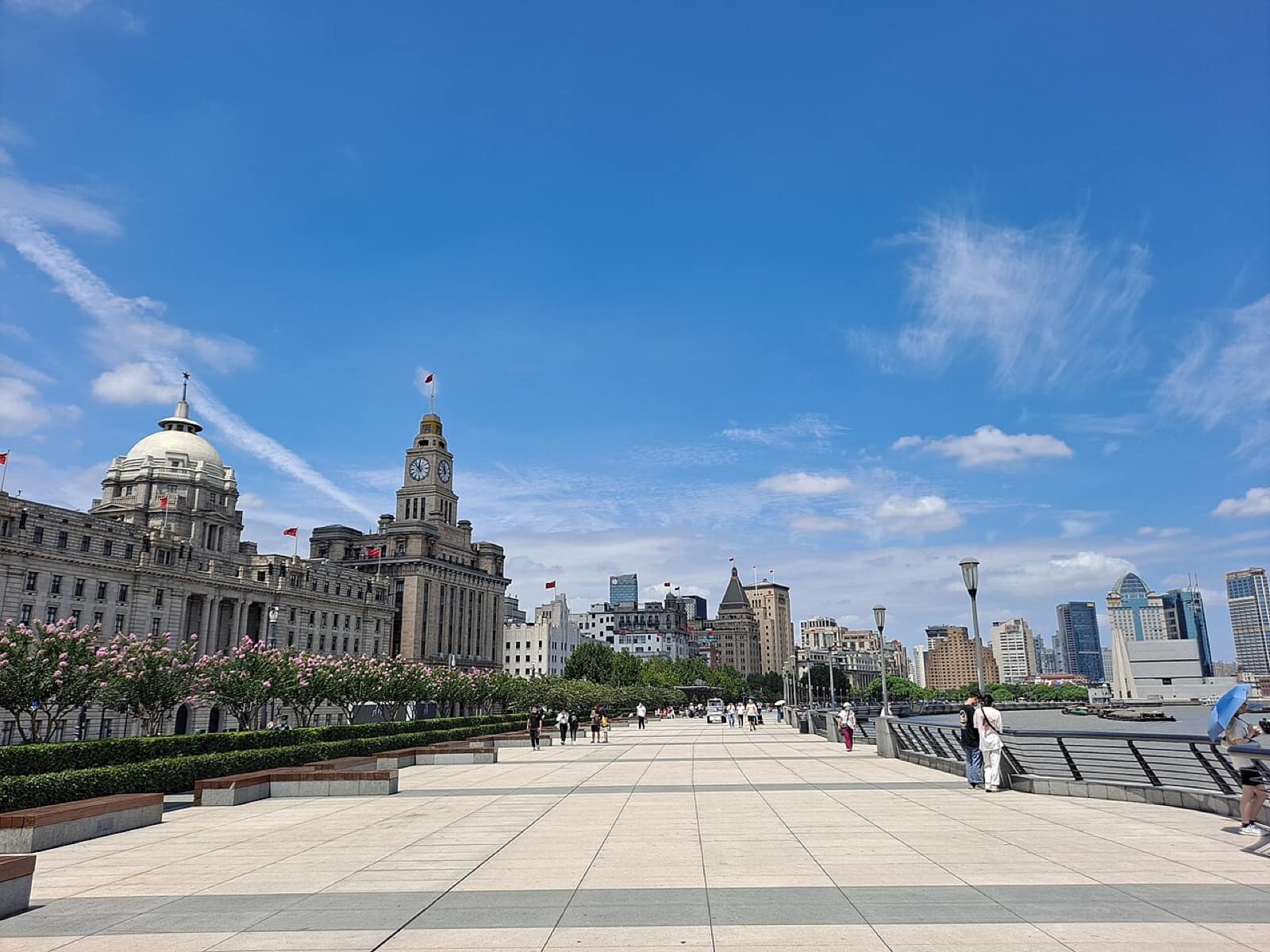
The Bund is a 1.5 km riverside promenade facing two things at once: behind you, a row of early twentieth-century banks, trading houses and hotels built when this was the financial centre of East Asia; in front of you, across the water, the Pudong skyline that did not exist within living memory. That contrast is the whole point, and it is free — the promenade has no ticket and no closing time. What it does have is a lighting schedule, and this is the detail that most often wrecks an evening. The facade floodlighting on both banks switches on and off at published times, running roughly a couple of hours on an ordinary weekday evening and extending about an hour longer on weekends and public holidays, with the whole schedule shifted between summer and winter. It also gets adjusted for major events — during a recent international expo the city moved the start half an hour earlier for one day and the shutdown an hour later for two more, then reverted. Arriving at ten past the switch-off means seeing dark buildings, so the single most useful thing you can do before an evening here is check the current schedule rather than a time quoted in a guide. Two more things worth knowing up front: the best photograph of the Bund is not taken from the Bund, and the cheapest way to get to where it is taken costs two yuan.
- Admission
- Free, no ticket, no closing time
- Promenade length
- About 1.5 km along Zhongshan East Road
- Facade lighting
- Scheduled, and extended on weekends
- Best light for photos
- The blue hour, roughly 30–60 min before full dark
- River crossing
- Public ferry, about ten minutes
- Nearest metro
- East Nanjing Road, or Yuyuan Garden for fewer crowds
- Allow
- 2 hours walking, 3–3.5 with interiors and a crossing
- Driving
- Not advisable — no roadside stopping, evening controls
2Tickets
Nothing here requires a ticket, which makes the Bund one of the few headline attractions in China where the planning question is entirely about time rather than money. The promenade, the architecture seen from outside, Nanjing Road's pedestrian street and the riverside walkway are all free and permanently open. Money only enters if you choose to add a perspective: a Huangpu River sightseeing cruise, the sightseeing tunnel under the river, or a drink in a hotel bar with a view. One of those optional extras is dramatically better value than the others, and it is the one nobody advertises — the ordinary commuter ferry that locals use to cross the river costs a couple of yuan and gives you a water-level view of both banks for about ten minutes.
| The promenade and architecture | Free | No ticket, no reservation, no closing time. Only the facade lighting runs on a schedule. |
|---|---|---|
| Nanjing Road pedestrian street | Free | Runs west from the Bund to People's Square; about a ten-minute walk end to end at the eastern section. |
| Public ferry across the river | A couple of yuan | The locals' crossing, roughly ten minutes. The best-value view in central Shanghai, and it puts you on the bank the good photographs come from. |
| Huangpu River sightseeing cruise | Operator-specific | A longer route and an onboard experience, at many times the ferry fare. Worth it if you want the journey itself; not required for the view. |
| Sightseeing tunnel | Attraction-specific | A short tunnel ride with light effects. It is a novelty, not a transport solution — the ferry and the metro both cross for a fraction of it. |
| Historic building interiors | Mostly free | Many of the Bund's banks and trading houses have lobbies open to the public during business hours. Most visitors never try the door. |
The lighting schedule is the one hard constraint:Everything else here is free and open; the lights are not. They run to published times that differ between weekdays and weekends, shift between summer and winter, and get altered for major events. The practical failure mode is specific and common: people arrive at nine or half past nine on a weekday assuming the city stays lit all night, and watch the facades go dark while they are still looking for a spot at the railing. Check the current schedule for your date, then arrive before the lights come on rather than after.
Most of the buildings are not museums, and that is why you can go in:The Bund's row is still working commercial property — banks, offices, hotels. A good number of the ground-floor halls are accessible during business hours, with mosaic ceilings, marble counters and original fittings intact, and no ticket involved. Dress ordinarily, do not photograph staff or customers at counters, and accept that some buildings are closed to visitors entirely. This is daytime-only, which is a reason not to spend your whole Bund visit after dark.
Crowd management changes the geometry on busy nights:On holiday evenings and at New Year the viewing platform and the approaches operate under one-way flows, timed entry to sections, and in some cases closures. Traffic restrictions apply on the main road during lit hours. None of this is a reason to avoid the Bund, but it is a reason not to arrange to meet someone at a specific railing at a specific minute, and a reason to have a second plan for the far bank.
3Getting There
Two metro stations serve the Bund and they are not equivalent. The obvious one puts you at the head of the pedestrian street and into the densest tourist flow in Shanghai; the less obvious one puts you at the quiet southern end and lets you walk north with the crowd thinning behind you. Driving is the one option to rule out — the riverside road prohibits roadside stopping and is subject to restrictions during lit hours.
Metro Lines 2 and 10. The standard approach: surface at the pedestrian street and walk east about five minutes to the main viewing platform. Also the busiest, because every tour group uses it.
Metro Lines 10 and 14. Lands you near the southern end and the Bund's quieter upriver stretch, roughly a fifteen-minute walk from the core. Noticeably fewer visitors on this approach.
From the ferry pier at the southern end of the Bund across to the Pudong side in about ten minutes, for a couple of yuan. This is both the cheapest river cruise in the city and the way to reach the bank the best photographs come from.
About fifteen minutes through the old city, which makes the classic pairing work without any transport at all: the garden in the morning, the Bund as the light goes.
Several routes stop on the riverside road itself, which drops you directly at the promenade rather than a walk away.
Workable for arrival but awkward for departure — during lit hours traffic controls and congestion around the riverside road are at their worst exactly when everyone wants to leave.
Cross the river — the view of the Bund is from Pudong:This is the single best piece of advice on this page. Standing on the Bund, you see Pudong's towers; standing on the Pudong promenade, you see the entire row of historic facades reflected in the water, which is the image most people actually came for and cannot take from where they are standing. The public ferry does this for a couple of yuan in about ten minutes. Walk the Bund first, cross as the lights come on, and look back.
Come at both ends of the day if you can:The Bund at half past seven in the morning and the Bund at half past eight in the evening are different places. Early morning gives clean architectural photographs with local joggers instead of crowds, and it is the only time the facades can be shot without people in frame. Evening gives the lights. Doing both costs nothing but a second metro ride, and it is the difference between seeing the Bund and photographing it.
4Route & Photos
Walk the line once, north to south or south to north, and let the lighting schedule decide when you start. The sequence below assumes you want the architecture in daylight, the blue hour on the promenade, and the lit facades from the far bank — which is the version of this evening that most repays the effort.
The blue hour, not full dark, is the photograph:The window worth planning around is the half hour or so after the facade lighting switches on but before the sky goes black. In that overlap the buildings are lit and the sky still holds deep blue, so both the architecture and the skyline hold detail in one frame. Once the sky is fully dark the buildings read as bright shapes against nothing. Arrive at the railing before the lights come on, not after.
Recommended Route
- 1
Start inland, in the buildings
Arrive in the afternoon while the banking halls are still open and walk into two or three of them. This is the half of the Bund that ninety percent of visitors miss entirely, and it is free. Lobbies with mosaic domes and original marble explain why this row exists far better than looking at it from across the road does.
- 2
Walk Nanjing Road east toward the water
The pedestrian street delivers you to the Bund the way the city intends, and the old neon signage is worth the detour even if you buy nothing. If crowds are the problem, the parallel side streets one block south carry the same architecture with a fraction of the people.
- 3
Get to the railing before the lights
Check the day's switch-on time and be in position half an hour early. The central section near the Nanjing Road junction is the classic spot and therefore the most contested; the stretches a few hundred metres north or south give almost the same view with room to stand.
- 4
Listen for the customs house clock
The clock tower on the former customs building strikes the hour, and standing under it at the top of an hour is a small, free, genuinely historic experience that takes two minutes and costs nothing.
- 5
Walk north to Waibaidu Bridge
The steel truss bridge at the northern end is where the promenade stops being crowded. It also frames the Pudong towers through old ironwork, which is a better composition than the open railing gives you.
- 6
Take the ferry across as the sky goes dark
Head to the pier at the southern end and cross for a couple of yuan. Ten minutes at water level with both banks lit is a better experience than most paid cruises, and it lands you where the Bund actually looks like the photographs.
- 7
Look back from the Pudong promenade
The full row of historic facades, lit, reflected in the river, with no crowd in front of your lens. Stay until the switch-off time if you want to watch the city turn the lights out, then take the metro back rather than queuing for the last ferry.
Best Photo Spots
The Pudong promenade, looking west
The shot that defines Shanghai: the whole historic row, lit, with reflections. A tripod helps but a railing and a steady hand will do. This is the frame that is impossible from the Bund itself.
Zhapu Road Bridge
North of the main promenade, and the local photographers' answer to the crowded platform. An old bridge in the foreground with the Pudong towers behind it — old Shanghai and new Shanghai in one frame, without elbowing anyone.
Yuanmingyuan Road and the Bund Source area
A block of restored 1920s commercial buildings just inland at the northern end. Quiet, low traffic, and the best place here for portraits with period architecture instead of a skyline.
Early morning on the promenade
Between roughly seven and nine the railing belongs to joggers and tai chi practitioners. It is the only time you can photograph the facades without crowds, and the low side light on stone is better than anything the evening offers.
The banking hall interiors
Mosaic ceilings and marble counters in working buildings, free to enter in business hours. Photograph the architecture, not the people transacting at the counters, and stop if asked.
5Food & Stay
| Nanjing Road snack institutionsCheap local classics | Varies | Pan-fried pork buns, shengjian, and old pastry shops sit along and just off the pedestrian street. Inexpensive, fast, and more interesting than the mall food courts above them. |
|---|---|---|
| No. 1 Food Store for souvenirsEdible gifts | Varies | The classic Shanghai takeaways — butterfly pastry, loose-weighed sweets — bought where locals buy them rather than at an airport markup. |
| Bund hotel afternoon tea or a view barSplurge with a view | Premium | Buying the view from inside is a legitimate alternative to standing at the railing in the wind. Check the minimum spend and dress code before you arrive. |
| Eat in the old city insteadBetter value nearby | Varies | Fifteen minutes' walk southwest puts you at the Yu Garden bazaar and the old-city lanes, where the same money buys considerably more interesting food. |
Nothing on the promenade is worth eating:The riverside walkway itself has little beyond drink stands, and the immediate tourist zone charges accordingly for very little. Treat the Bund as a walking and looking activity, eat one block inland or in the old city, and carry a wind layer instead of a snack — the river generates its own weather and the promenade is fully exposed.
Where to Stay
- Staying around East Nanjing Road or the Bund itself means you can do the early-morning version and the evening version without planning transport for either, which is the main argument for paying the premium.
- Staying in the Yu Garden area is the value alternative: one metro stop or a fifteen-minute walk from the Bund, noticeably cheaper, and it puts the old city on your doorstep.
- Staying in Pudong near the riverside promenade is the contrarian choice that works: you wake up on the bank with the view, and the Bund is a two-yuan ferry away.
6Tips & Pitfalls
- Prices, opening hours, transport schedules and reservation rules can change; verify the official notice for your date.
- Check the facade lighting schedule before you go. It differs between weekdays and weekends, shifts between summer and winter, and is adjusted for major events. Arriving after the switch-off is the most common disappointment here.
- Cross the river. The photograph you want is taken from the Pudong side, and the public ferry gets you there for a couple of yuan in about ten minutes.
- Try the doors of the historic buildings during business hours. Many banking halls are open to the public, free, and almost empty of visitors.
- The river makes its own wind. Even in mild weather the promenade is several degrees cooler than the street two blocks inland, and in winter it is genuinely cold — bring a layer you would not bother with elsewhere in the city.
- Do not drive. The riverside road prohibits roadside stopping, traffic controls apply during lit hours, and nearby garages fill on holidays. The metro is faster and the ferry is more interesting.
- On holiday evenings expect one-way pedestrian flows and section closures around the viewing platform. Have a fallback position in mind rather than a specific railing.
- If the crowd at the Nanjing Road junction is impossible, walk two hundred metres in either direction. The view barely changes and the density halves.
7Frequently Asked Questions
Is the Bund free to visit?
Completely. The promenade, the view of the architecture, Nanjing Road's pedestrian street and the riverside walkway have no ticket and no closing time. Money is only involved if you add something optional — a river cruise, the sightseeing tunnel, a hotel bar. Even many of the historic banking halls are free to walk into during business hours.
What time do the Bund lights turn off?
There is a published schedule rather than a fixed hour, and this is the detail worth checking. Lighting typically runs for a couple of hours on an ordinary weekday evening and about an hour longer on weekends and public holidays, with the whole window shifted earlier in winter and later in summer. It also gets adjusted for major city events. Arriving shortly after the switch-off means looking at dark buildings, so confirm the current schedule for your date and aim to be in position before the lights come on.
Where is the best place to photograph the Bund?
Not on the Bund. The defining image — the whole row of historic facades lit and reflected in the river — is taken from the Pudong promenade on the opposite bank. The public ferry crosses in about ten minutes for a couple of yuan. If you would rather stay on the west bank, Zhapu Road Bridge to the north gives you an old bridge in the foreground with the Pudong towers behind, and it is far less crowded than the main platform.
Is the Huangpu River cruise worth it?
It depends what you are buying. If you want a longer route, a seat and an onboard experience, it delivers that. If you simply want the view from the water, the ordinary public ferry gives you about ten minutes at water level with both banks lit for a tiny fraction of the price, and it has the added benefit of leaving you on the Pudong side where the best photographs are. Try the ferry first; you can always book a cruise another evening.
Can I go inside the historic buildings on the Bund?
Many of them, yes — and most visitors never try. The row is still working commercial property, and a good number of the ground-floor halls are open to the public during business hours, with original mosaic ceilings, marble and fittings. There is no ticket. Dress ordinarily, avoid photographing staff or customers at counters, and accept that some buildings admit no visitors at all. Because this only works in the daytime, it is a good reason not to schedule your entire Bund visit after dark.
How long should I spend at the Bund?
Two hours covers a relaxed walk along the promenade. Three to three and a half gives you the architecture in daylight, a couple of building interiors, the blue hour at the railing and a ferry crossing to look back from the far bank — which is the version worth the time. If you can split it, come once between seven and nine in the morning for clean architectural photographs and again in the evening for the lights.
Which metro station should I use?
East Nanjing Road station on Lines 2 and 10 is the standard choice and puts you at the pedestrian street, about five minutes from the main viewing platform — along with every tour group in the city. Yuyuan Garden station on Lines 10 and 14 lands you near the quieter southern end, about fifteen minutes from the core, with noticeably fewer people on the approach. If crowds bother you more than walking does, use the second one.
Is Nanjing Road worth walking?
As an approach to the Bund, yes — it is how the city intends you to arrive, and the old neon signage and heritage department stores are worth the walk even if you buy nothing. As a shopping destination it is largely international chains you have at home. The better compromise is to walk its length once for the atmosphere, duck into a side street one block south for the same architecture with a fraction of the crowd, and spend your money on the old-city food instead.
Combine With
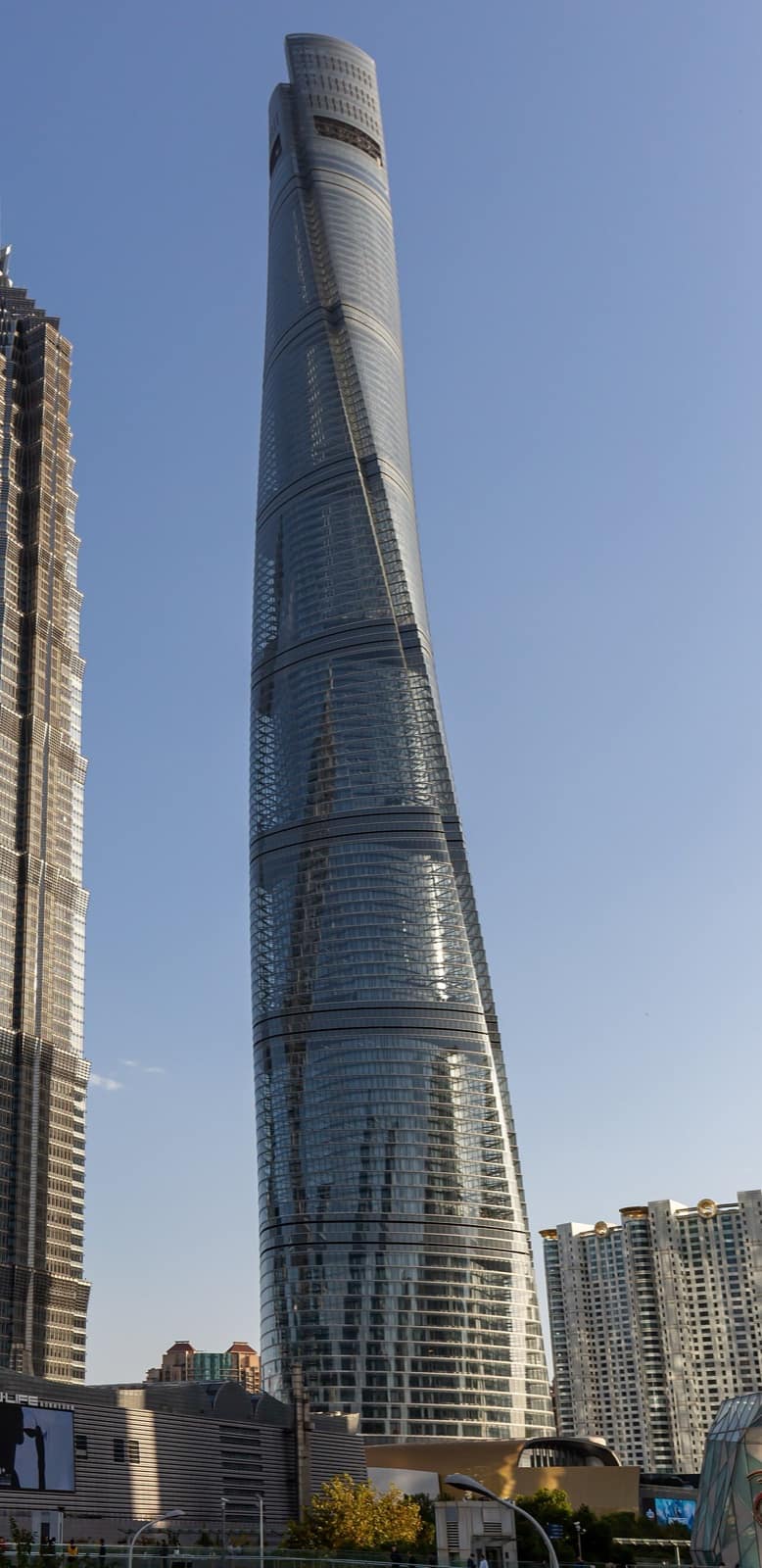
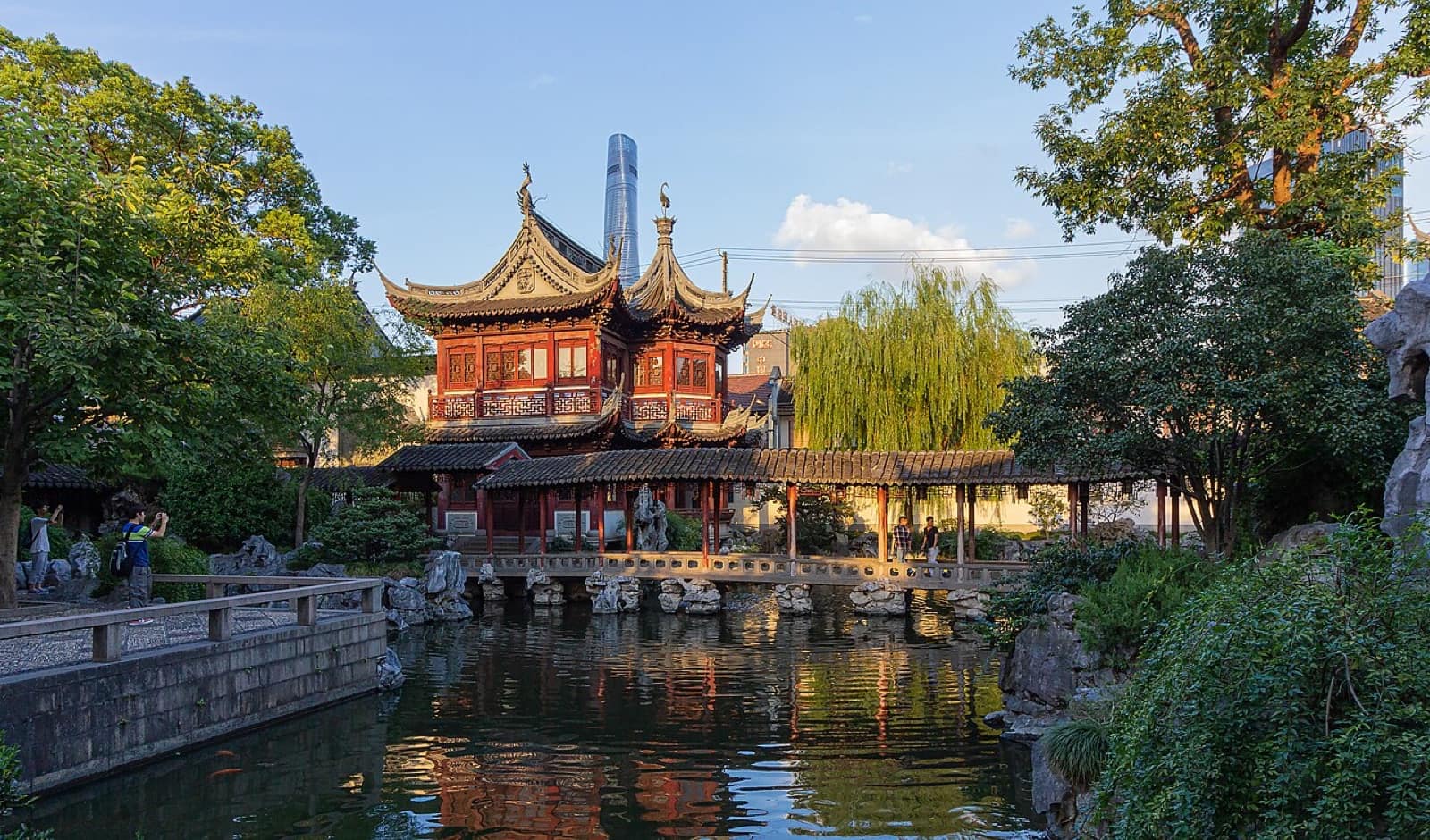
Other Shanghai sights that genuinely pair well with this one
Before You Go
The practical guides you will actually need here
Sort Your Visa First
All Shanghai attractions
Klook
Optional Huangpu River cruises and guided city experiences
The Bund itself is free, and the public ferry already gives you the view from the water for a couple of yuan. Consider a paid cruise only if you want the longer route and the onboard experience rather than the view alone, or a guide to explain the architecture. Check the exact pier, meeting point, language, duration, inclusions and cancellation policy.
- Compare the route and pier against the free public ferry before paying
- Confirm the stated language and whether a guide is actually included
- Check whether the sailing time falls inside the facade lighting hours
- Remember the promenade and the architecture need no ticket at all
Disclosure: this is an affiliate link. We may earn a small commission if you buy through it, at no extra cost to you. We only recommend products we would use ourselves.
GoChinaTravel Editorial Team
Our team of China travel researchers combines on-the-ground contributor insights, official government sources, and traveler community feedback to create the most detailed English-language China guides available. Every guide is fact-checked against primary sources (NIA, 12367, official attraction websites, Railway 12306) before publication.