1Highlights
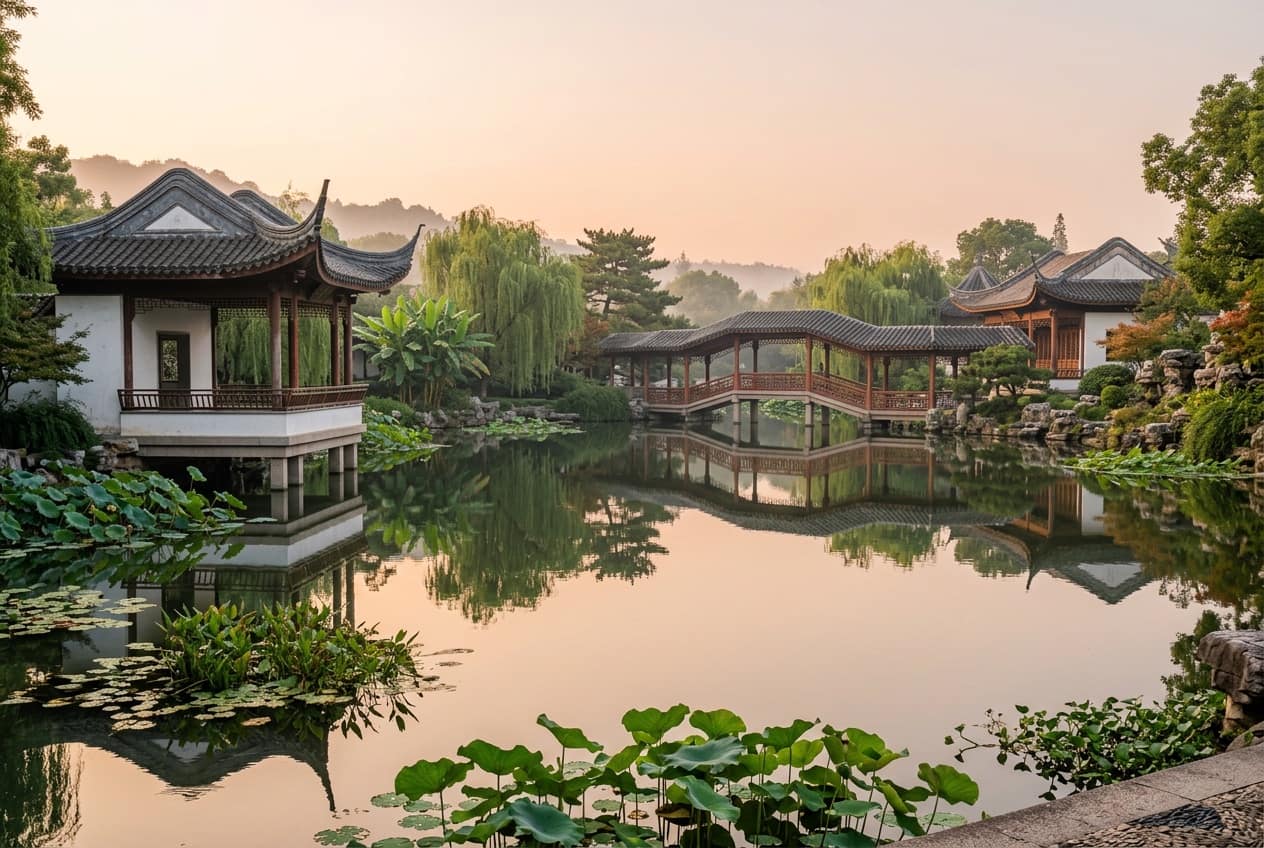
The Humble Administrator's Garden is Suzhou's largest and best-known classical garden, inscribed on the UNESCO World Heritage list in 1997 as part of the Classical Gardens of Suzhou. It was laid out in the Ming dynasty's Zhengde era, roughly five hundred years ago, and its defining choice is water: something close to three-fifths of the enclosure is pond, with halls and pavilions set at the water's edge rather than on a central axis. That is what makes it the best doorway into the idea of a Suzhou garden — the whole grammar of stacked rock, shaped water, sited pavilion and placed planting is on display at a scale you can read, and the view genuinely reorganises itself every few steps. It is also the busiest garden in the city, which shapes how you should visit it. Entry is paid, the daily headcount is capped, and in high season the slots go before the day arrives. Two hours is a floor rather than a target.
- Status
- Suzhou's largest classical garden
- UNESCO
- Inscribed 1997
- Built
- Ming Zhengde era, ~500 years ago
- Defining feature
- Water is roughly three-fifths of the garden
- Entry
- Paid, with a capped reservation
- Opening
- Morning opening; check the current notice
- Location
- Northeast old town, beside the museum
- Suggested time
- 2 hours minimum, 3 if you photograph
2Tickets
Entry is paid and priced differently by season, and the garden runs on a capped reservation you should complete before you travel rather than at the gate. Treat any figure you see quoted online — including ours — as a rough scale only, and read the official listing for your own date: seasonal pricing means the same garden can cost noticeably more in April than in December. Opening is in the morning and closing is comparatively early in the afternoon, so an "after dinner garden visit" is not a thing here.
| High-season entry | Higher tier (reference ~¥90) | Spring and autumn peaks and public holidays; official current rate governs |
|---|---|---|
| Low-season entry | Lower tier (reference ~¥70) | Off-peak months; official current rate governs |
| Concessions | Per garden policy | Students, seniors and children with valid ID — carry the document, not a photo of it |
| Reservation | Official channel | Complete before you travel; high-season slots commonly go in advance |
Suzhou runs three different payment logics — know which one you are in:This is the single most useful thing to understand before you spend anything in Suzhou. First, the old-town canal streets are genuinely free: Pingjiang Road has no gate ticket and is open all day, and so are the lanes around it. Second, each garden and museum is sold separately: the Humble Administrator's Garden, the Lingering Garden and the Suzhou Museum are three independent entries with three independent prices and rules, and there is no universal "Suzhou gardens pass" that covers them all — anyone selling you one is touting. Third, the surrounding water towns use combo tickets: at Tongli the lanes are free to wander but Tuisi Garden and the other listed sites need the town combo ticket. Working out which of the three you are dealing with saves more money than hunting for discounts.
Two of these five need a reservation, and no third party can waive it:Reservations in Suzhou are set by the site itself, not by whoever sold you the ticket. The Humble Administrator's Garden is paid and capped: book and pay through its official channel before you go, because in high season the day's slots are commonly gone. The Suzhou Museum is free but still requires a booked slot, and it closes on Mondays — free does not mean walk-in, and the free slots are the tighter of the two, especially at weekends. If a tour or ticket product implies it removes the booking step, treat that as a claim to verify rather than a fact: on the product page, confirm whether the reservation is genuinely completed on your behalf or whether you still have to make it yourself. Either way, check the closing day before you build a morning around it.
Go in at opening, or accept that you are visiting a queue:This is the one piece of timing advice that changes the visit more than any other. The garden is physically large but its best passages — the central water, the covered bridge, the mid-water pavilion — are narrow, and once tour groups arrive you are photographing the backs of other people rather than the composition. Arrive for the opening slot and the first hour is close to your own, with softer light for photographs as a bonus. By mid-morning the same route reads completely differently. If an early start is impossible, late afternoon before closing is the second-best window.
Klook
Compare Suzhou garden tickets and guided old-town days
This garden is paid, capped and seasonally priced, and the other sights nearby are each sold separately — so what is worth comparing here is not a discount but how a product is put together. Look at whether it covers only this garden or bundles the museum and Pingjiang Road, whether English guiding is included, and above all whether the reservation step is genuinely completed for you or still left to you. Paying with an overseas Visa or Mastercard is the practical advantage for most foreign visitors.
- Compare single-garden entry against bundles that add the museum and the canal street
- English-guided old-town itineraries are listed where available
- Pay with an overseas Visa or Mastercard without a Chinese payment app
- Check exactly which sites the product covers — in Suzhou each garden, museum and boat is sold separately
- Where a site sets its own reservation, confirm whether the product completes that step for you or you still have to do it yourself
- Prices, opening hours and closing days follow the operator's notice for your own date
Disclosure: this is an affiliate link. We may earn a small commission if you buy through it, at no extra cost to you. We only recommend products we would use ourselves.
3Getting There
Line 4 to Beisita, then about a 15-minute walk east
Roughly 10 minutes from Suzhou railway station
Several routes stop at the garden or the museum
Flat old-town riding; continue on to Pingjiang Road afterwards
These five fall into three rings — the northeast trio really is walkable, Tongli really is not:Suzhou's sights get listed as if they were all "in the old town", which produces badly broken days. In practice there are three rings. The northeast walking trio: the Humble Administrator's Garden, the Suzhou Museum and Pingjiang Road sit within about ten minutes of each other on foot — this is the most efficient cluster in the city and genuinely works as one half to full day. The northwest: the Lingering Garden is on the other side of the old town, best paired with Shantang Street rather than squeezed onto the northeast day. Outside the city: Tongli is roughly 25 km southeast, about a 40-minute drive, and wants a half day of its own at minimum. A realistic plan is therefore one old-town day for the northeast trio, a second for the Lingering Garden and the west, and Tongli only if you have a third slot — or an overnight in the water town.
The old town is flat and compact — bikes and feet beat taxis inside the moat:Suzhou's walled old town is small and almost entirely flat, and its lanes are narrow and often one-way or pedestrianised. Inside the moat, a shared bike or your own feet will usually beat a taxi on both time and predictability, and the metro handles the longer hops. Shared bikes are unlocked by scanning with Alipay or WeChat, so set that up before you arrive. Taxis are still the right call for the water towns and for late arrivals with luggage.
4Route & Photos
The garden divides into east, central and west sections, and they are not equally rewarding. The heart is the central section — the main hall facing the water, the famous covered bridge, the pavilion standing in the middle of the pond — followed by the west, where the lattice windows and borrowed views are at their most refined. The east is the most open and the least crowded. Walk central, then west, then east, and give the central water most of your time rather than spreading it evenly.
A garden is meant to be read, not walked through:The whole design premise is that the view reorganises itself as you move, so the same pavilion is a different picture from three metres further along. Walking the loop at normal pace and leaving takes about forty minutes and misses the point entirely. Stop at each opening, look back the way you came, and notice how walls and windows have been used to frame or withhold what comes next. Two hours is the floor for this; three is comfortable if you photograph.
Recommended Route
- 1
Enter and start central
Begin at the main waterside hall and the principal pond view rather than heading straight for a named spot.
- 2
The covered bridge
The garden's most photographed structure — bridge, water and reflection in one frame.
- 3
The mid-water pavilion
A pavilion sited in the middle of the pond, open on all sides; the signature composition.
- 4
West section
Lattice windows and borrowed views at their most deliberate — look through, not just at.
- 5
East section
Open, airy and comparatively empty; a calm way to finish rather than a highlight.
Best Photo Spots
The covered bridge
Bridge plus water plus reflection — the garden's classic frame, best before the groups arrive.
The mid-water pavilion
Strongest in summer and early autumn when the lotus is out; water and structure layer well.
Lattice windows in the west
Shoot through a window at what lies beyond — this is the design idea made visible.
5Food & Stay
| Pingjiang RoadSuzhou dishes and snacks | Mid-range per person | Ten minutes on foot and far more choice than the garden gate |
|---|---|---|
| Guanqian StreetOld-house noodles and pastries | Lower per person | The traditional cluster for Suzhou noodle soup and sweet pastries |
| Old-town restaurantsSquirrel mandarin fish and classic Suzhou cuisine | Higher per person | Check unit prices on the menu before ordering, especially for fish by weight |
Walk away from the gate before you eat:The restaurants immediately outside a major garden are priced for people who have just walked out and do not want to walk further. Ten to fifteen minutes on foot puts you on Pingjiang Road or Guanqian Street with several times the choice at lower prices. This is a small saving per meal that adds up across a Suzhou trip, and the food is generally better.
Where to Stay
- Pingjiang Road and the old-town water lanes — the garden, the museum and the canal street are all within walking distance, which is the single most efficient base in Suzhou.
- Around Guanqian Street — central, well served by metro and full of mid-range hotels; a practical choice if you also want the Lingering Garden and the west.
6Tips & Pitfalls
- Complete the reservation and payment through the official channel before you travel; in high season the day's slots are commonly gone before the day arrives.
- Enter at the opening slot. The first hour is close to empty; by mid-morning the narrow central passages are shoulder-to-shoulder.
- Give the central water section most of your time and treat the east as a calm finish rather than a highlight.
- Closing is comparatively early in the afternoon — check the current hours before planning anything for late in the day.
- Ignore anyone at the gate offering a cheap guide or a silk-shopping add-on. Use the garden's own guiding or a reputable operator.
- Ticket prices, boat fares, opening hours and reservation rules all change; verify the official listing for your own travel date rather than relying on any figure quoted online.
- Set up Alipay or WeChat Pay before you arrive — the old town is close to cashless, and shared bikes, teahouses and small snack shops all expect a scan.
7Frequently Asked Questions
Do I need to book the Humble Administrator's Garden in advance?
Yes. It is paid and runs a capped reservation through its official channel, and in high season the day's slots commonly go before the day arrives. Book and pay before you travel rather than turning up at the gate. Prices differ by season, so read the official listing for your own date instead of relying on a figure quoted online.
Humble Administrator's Garden or Lingering Garden — which should I choose?
If you only have time for one and want the canonical Suzhou garden, choose this one: it is the largest, the most water-dominated and the most recognisable. If you would rather study how a garden is composed, or simply avoid crowds, the Lingering Garden is smaller, cheaper, quieter and widely regarded as the more refined layout. They are both World Heritage sites and there is no combined ticket — each is a separate entry.
How long should I spend in the garden?
Two hours is a floor, not a target. The design premise is that the view reorganises itself as you move, so walking the loop once at normal pace takes about forty minutes and misses the point. Allow three hours if you photograph, and spend the largest share of it on the central water section.
Can I visit the garden, the Suzhou Museum and Pingjiang Road in one day?
Yes, and it is the most efficient day in Suzhou — the three sit within roughly ten minutes of each other on foot in the northeast of the old town. The constraint is not distance but reservations: the garden is paid and capped, the museum is free but still needs a booked slot and closes on Mondays. Sort both bookings first, then build the walking order around them.
Is there a combined ticket for all the Suzhou gardens?
No universal pass covers them all — the Humble Administrator's Garden, the Lingering Garden and the Suzhou Museum are three independent entries with three separate prices and rules. Tour products may bundle several sites into one purchase, which is a convenience rather than a discount pass, so check exactly which sites a given product covers. Anyone on the street selling you a "Suzhou gardens ticket" is touting.
Combine With
Other Suzhou sights that genuinely pair well with this one
Before You Go
The practical guides you will actually need here
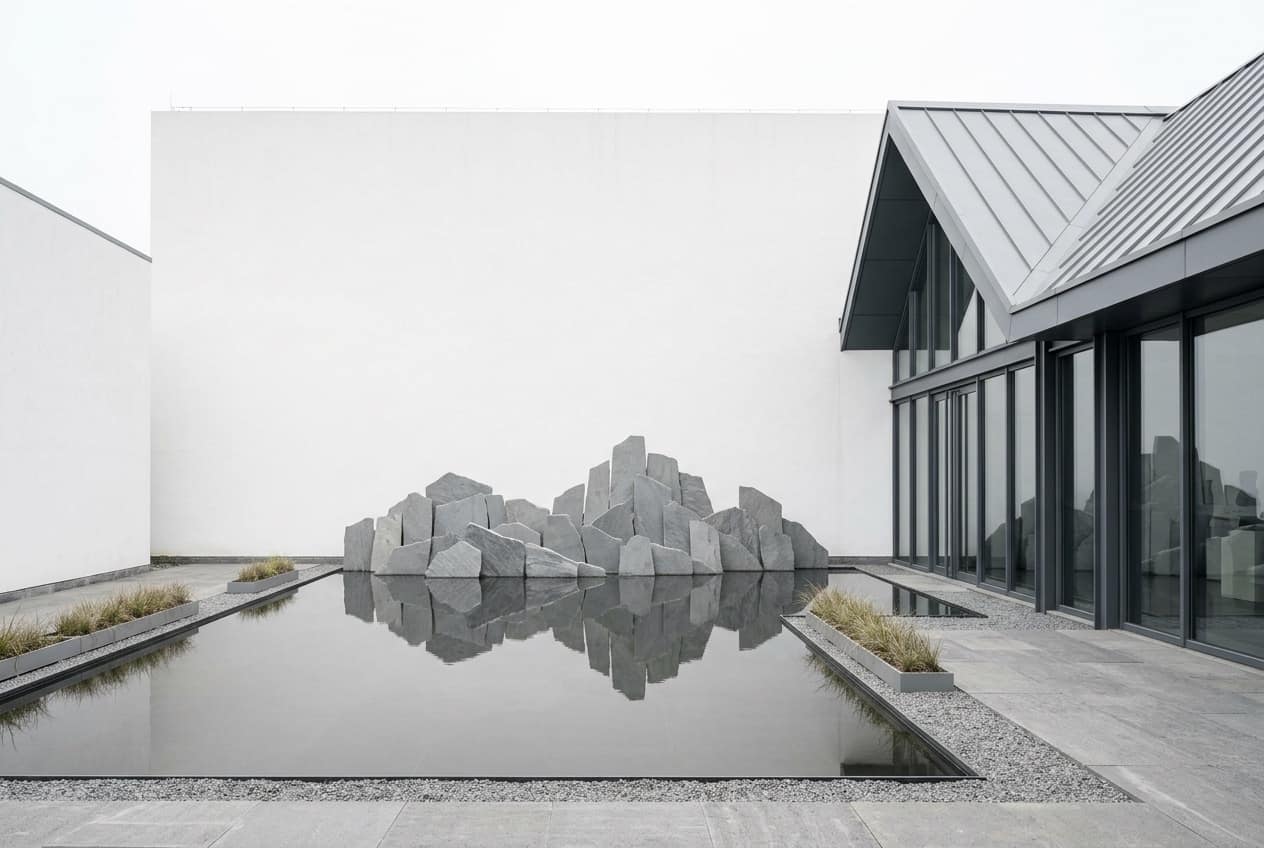
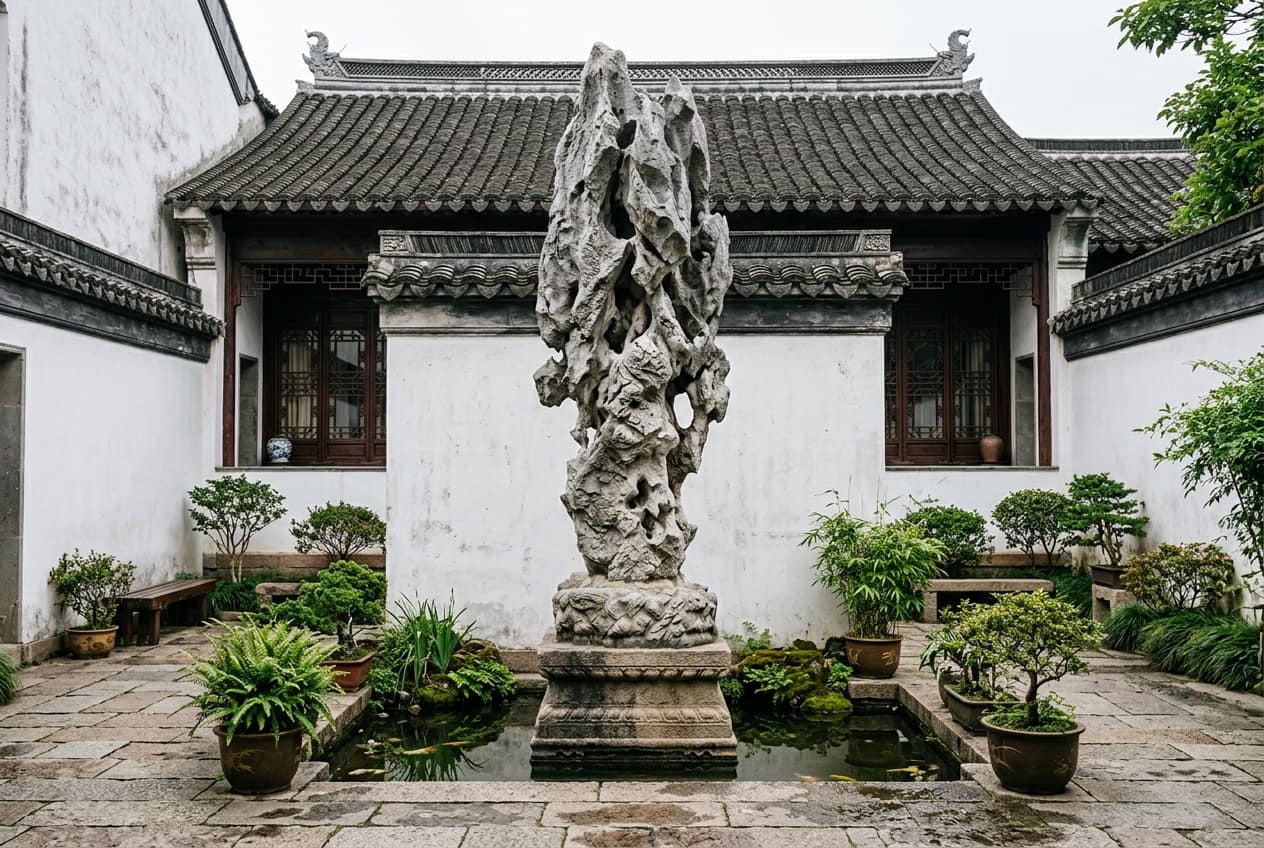
All Suzhou attractions
GoChinaTravel Editorial Team
Our team of China travel researchers combines on-the-ground contributor insights, official government sources, and traveler community feedback to create the most detailed English-language China guides available. Every guide is fact-checked against primary sources (NIA, 12367, official attraction websites, Railway 12306) before publication.