Route overview
Changsha is a food city that happens to have sights, not a sightseeing city that happens to have food, and a route that gets that backwards will feel thin. So only Day 1 here is sight-led: the river island in the morning, the academy hill in the afternoon. Day 2 pivots after the museum and then eats its way to midnight, which is genuinely how the city operates — the crayfish and the night markets are not a diversion from the itinerary, they are the itinerary. Day 3 does almost nothing but eat, deliberately, and finishes on the river. What decides whether Day 1 works is paperwork rather than stamina. Orange Isle admits by time slot and stops admitting at 21:00 despite the park running to 22:00. Yuelu Mountain and Yuelu Academy run on entirely separate reservation systems, and on holidays it is the academy that runs out — so arriving with a mountain slot can still mean walking up to a gate you cannot pass. And the slide that older plans pair with the cable car has been suspended since April 2025, so do not build a descent around it. Two days: drop Day 3 but keep Day 2's evening, which is the part you will remember.
| Length | 3 days, 2 nights |
|---|---|
| Best for | Food-led trips, Hunan gateway, Beijing–Guangzhou rail stopovers |
| Pace | Gentle — one sight day, two eating days |
| Getting around | Metro and ride-hailing; the island has its own little train |
| Must reserve ahead | Yuelu Mountain and Yuelu Academy (separate systems); Hunan Museum |
Day 1
Orange Isle & Yuelu Mountain
The river island in the morning, the academy hill in the afternoon.
- 09:00
Orange Isle (Juzizhou)
Metro Line 2 stops on the island. Gardens, riverside paths and the monumental stone head at the southern tip. Free entry, 07:00–22:00; weekends are capacity-controlled, so go early or midweek. Allow 2h.
- 12:00
Lunch: Hunan rice noodles
Flat rice noodles in broth with your pick of toppings — ¥10-20 at a streetside shop. The everyday Changsha bowl.
- 14:00
Yuelu Mountain & Yuelu Academy
The hill is free to walk but needs its own ID reservation. The 1,000-year-old academy inside is ¥40 (¥20 concession) and needs a second, separate booking — one does not cover the other, so make both about three days out. Allow 2h.
- 17:00
Chayan Yuese milk tea
The local tea-chain phenomenon, with queues almost everywhere. Try one signature cup, ¥15-25. Branches a few streets off the main drag queue less.
- 19:00
Dinner: chopped-chilli fish head
A whole fish head steamed under red and green pickled chillies, ¥60-120. Order 微辣 to start — Hunan heat is serious, and milk or yogurt helps.
Day 2
Museum & Changsha Nightlife
Mawangdui in the morning, then eat your way to midnight.
- 09:00
Hunan Museum
The Mawangdui Han tomb collection — lacquer, silk and documents preserved for two thousand years. Free, but the reservation slots go fast, so book before you travel. Allow 2-3h.
- 12:30
Lunch: stinky tofu & noodles
Changsha's black stinky tofu, fried crisp with chilli and pickled radish (¥10-20 a box), plus a bowl of rice noodles.
- 14:00
Super Wenheyou
A multi-storey retro-1980s dining complex that is as much a set piece as a restaurant. Tourist-packed but genuinely fun to wander. Allow 1.5h.
- 17:00
Taiping Street & the food alleys
The old-town snack street — stinky tofu, skewers, sugar-oil pancakes. Arrive early in the evening and graze rather than sitting down.
- 20:00
Dinner: crayfish (口味虾)
Freshwater crayfish stir-fried in a fiery garlicky sauce, eaten by hand. ¥100-200 a portion, best after 21:00. Chase it with an iced drink.
- 22:00
Wuyi Square after dark
The IFS towers and pedestrian streets keep going past midnight. Follow the locals, or find a live house — Changsha runs late.
Day 3
Deep Food Crawl & Wind-down
Sleep in, eat properly, and finish on the river.
- 10:00
Wuyi Square / Huangxing Road
Sleep in after a late night, then wander the Huangxing Road pedestrian street to take in the city's youth and energy.
- 12:30
Lunch: a proper Hunan restaurant
Sit down for the full spread — fish head, chilli fried pork, steamed dishes. The food is the point of this trip; skip the hotel buffet.
- 14:00
Du Fu Pavilion / Tianxin Pavilion (optional)
Add a light sight or two — Du Fu Pavilion for river views, Tianxin Pavilion for the surviving stretch of old city wall.
- 16:00
One more tea, plus souvenirs
A last milk tea, and pick up sauce-marinated duck, chopped chilli or tea packets — the usual things people take home from Hunan.
- 18:00
Finish: river night views
Walk the Xiang River bank at dusk as Orange Isle and the skyline light up, to close out Changsha.
Before you go
Yuelu Mountain and Yuelu Academy are two bookings, not one. The scenic area admits visitors free by ID reservation; the academy inside is a ¥40 ticket on a different WeChat account, openable up to three days ahead. On holidays the academy is what sells out, so a mountain slot by itself is not entry to the thousand-year-old courtyard you came for.
Do not plan around the Yuelu slide. It has been suspended for reconstruction since 26 April 2025 with no reopening announced. The cable car runs normally — about ¥50 up, ¥40 down, ¥80 return — and since 29 April 2026 the sightseeing car has run as two lines with two stations roughly 600 metres apart, so boarding at the South Gate no longer reaches the East Gate in a single ride.
Orange Isle entry is time-slotted, and the park stops admitting at 21:00. Sessions run 07:00–12:00, 12:00–17:00 and 17:00–22:00, and turning up outside your own session does not work. The little train is about ¥25 one way against ¥40 return with hop-on-hop-off at intermediate stops, so riding out and walking the riverside path back is both cheaper and the better half of the island.
Hunan Museum releases five days ahead at 20:00 against a 12,000 daily cap, with limits per account and refunds counting against the quota. Non-mainland visitors may book and check in with a passport, Mainland Travel Permit for Hong Kong, Macao or Taiwan residents, a residence permit, or a Foreign Permanent Resident ID Card — and must present the same original at the gate.
"Slightly spicy" here is not what it means elsewhere. Days 2 and 3 are both food-led and Hunan chilli is sharp and salted rather than numbing, so state your actual tolerance when you order rather than assuming a dish will arrive mild. Saying "no chilli" is a reasonable request; assuming it is the default is not.
Stops on this route
Open an individual guide for tickets, opening hours and how to get there.
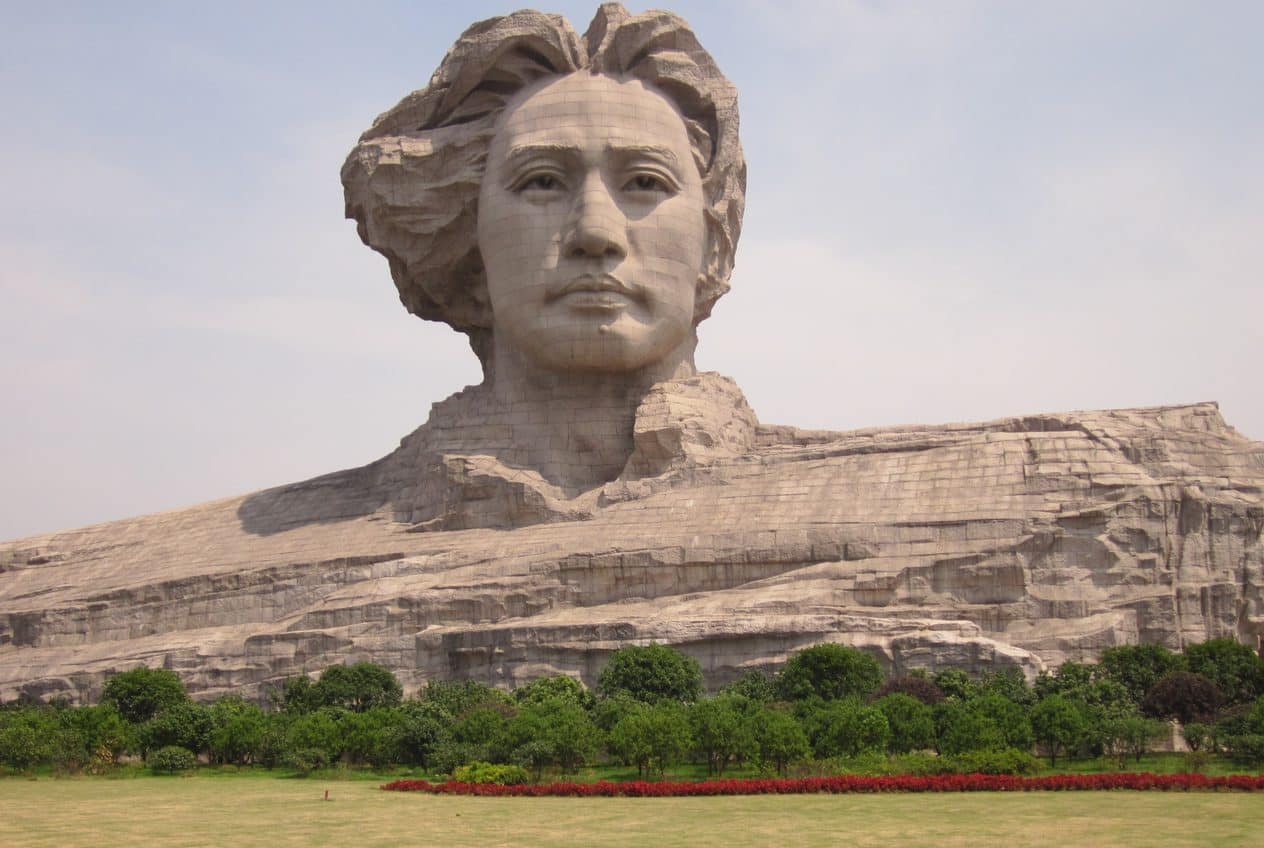
Orange Isle (Juzizhou)
A five-kilometre island in the middle of the Xiang, free to enter and reached by metro — but the booking is time-slotted, entry closes at 21:00, and walking it end to end takes three hours.
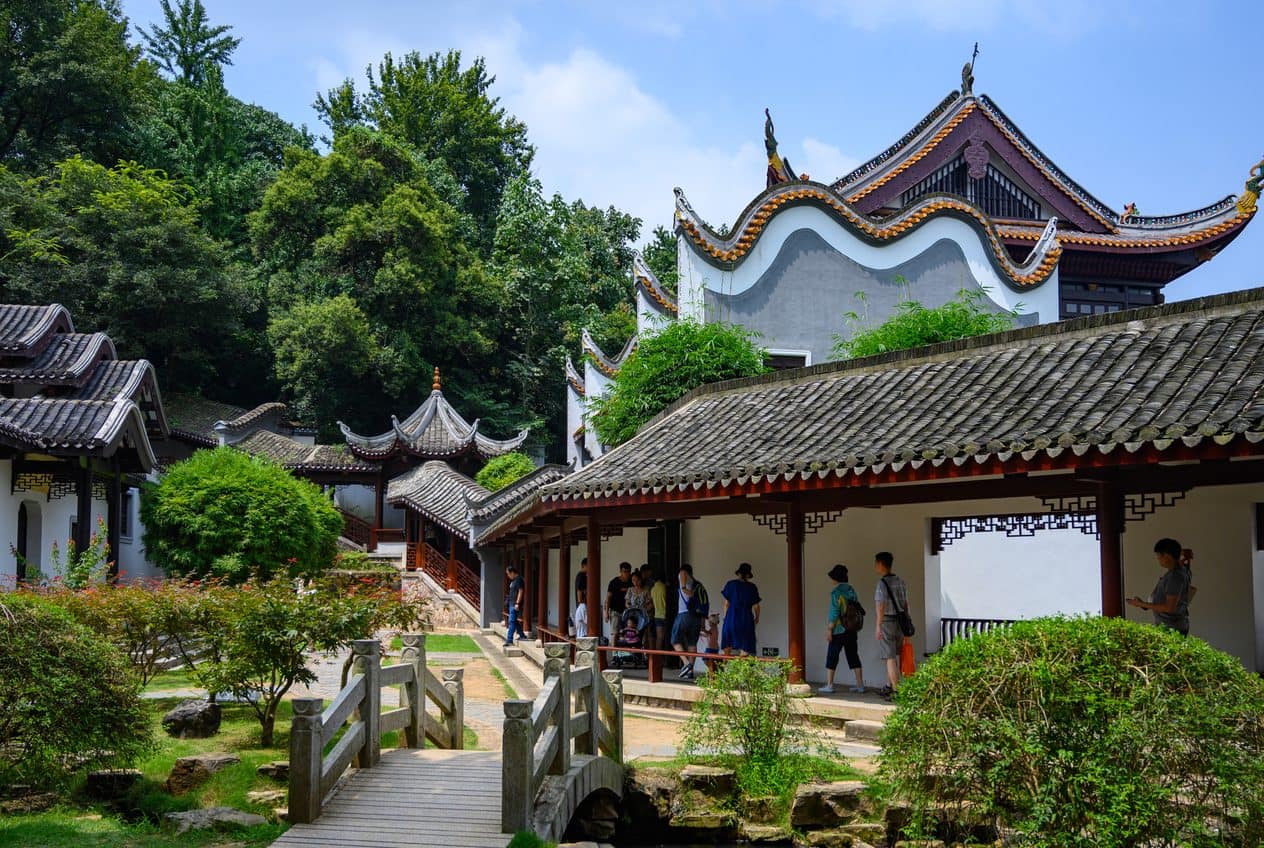
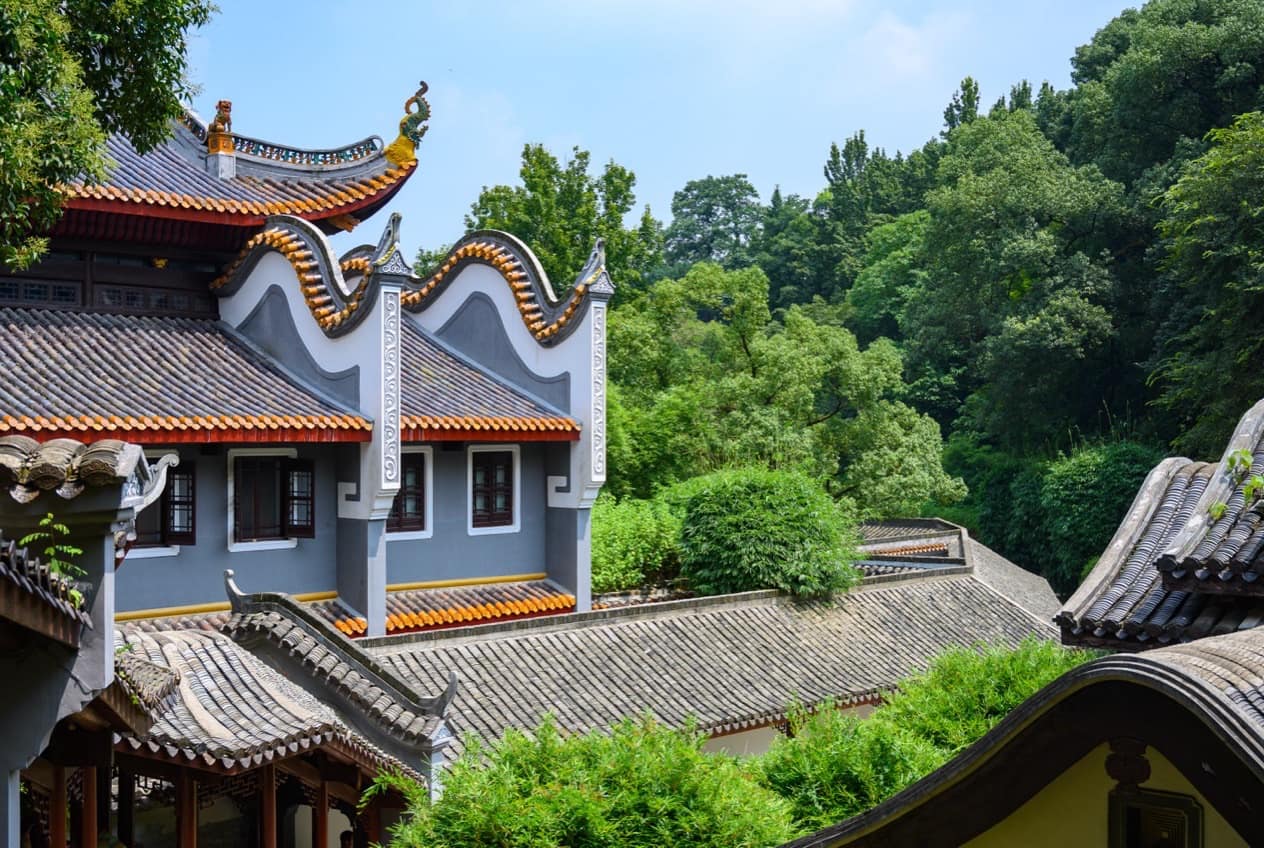
Yuelu Mountain & Yuelu Academy
A free city hill with a thousand-year-old academy inside it — and two separate bookings, a cable car that costs nearly three times what most guides say, and a slide that has not run since 2025.
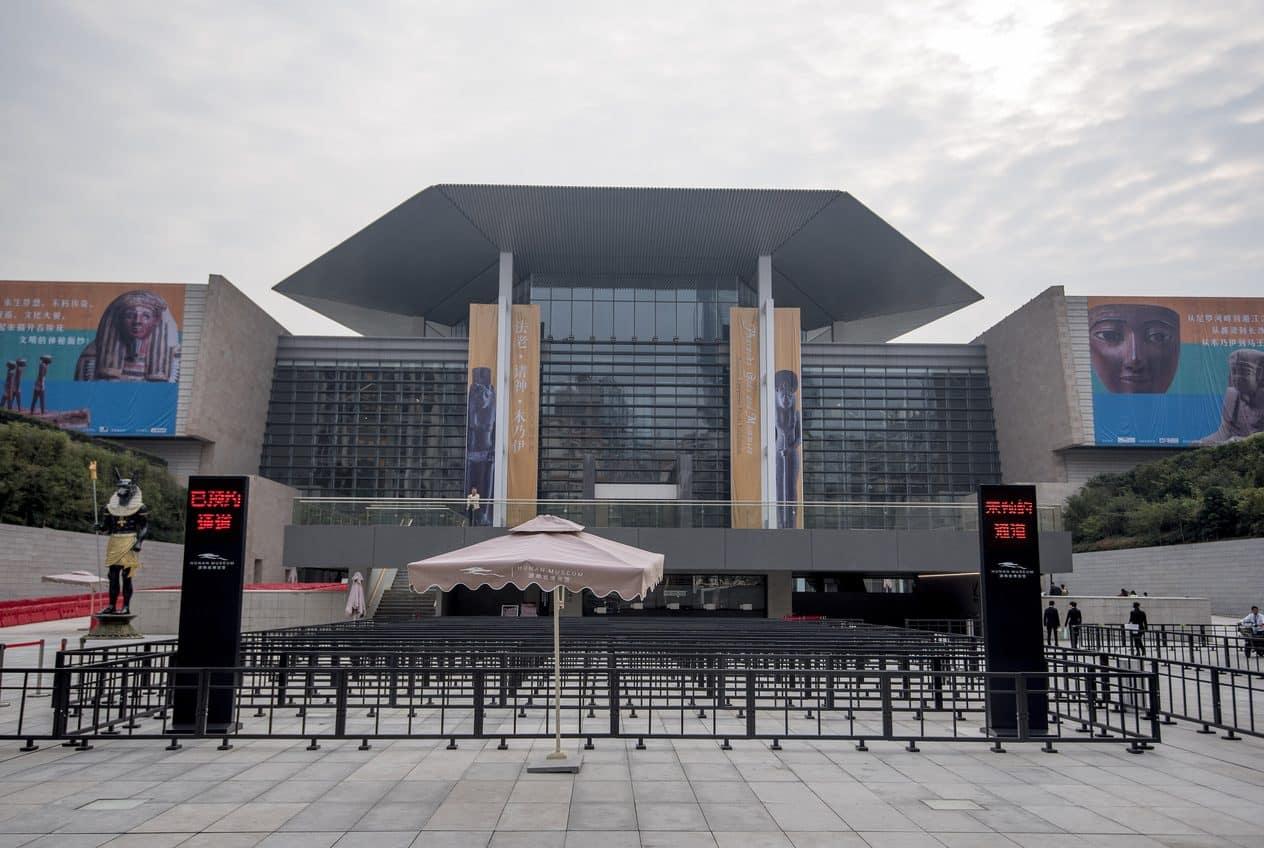
Hunan Museum
The Mawangdui Han tombs — a silk gauze robe that weighs almost nothing and a 2,000-year-old painted banner. Free, no walk-ins, released five days out at 20:00 sharp, and a specific list of documents foreign visitors can book with.
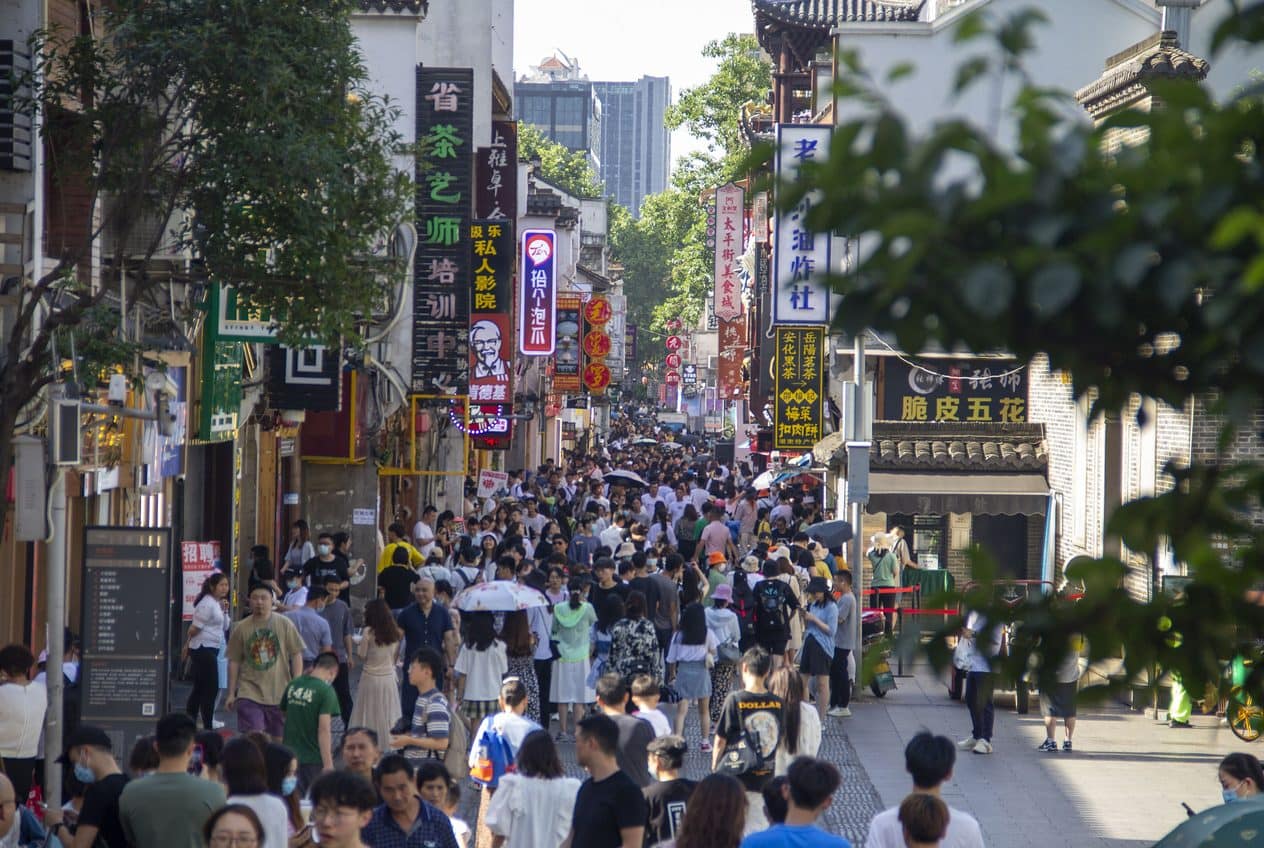
Taiping Street & Pozi Street
Changsha's stone-paved old street and the snack lanes around it — free, open late, and the place to work out how much chilli you can actually take before you order anything serious.
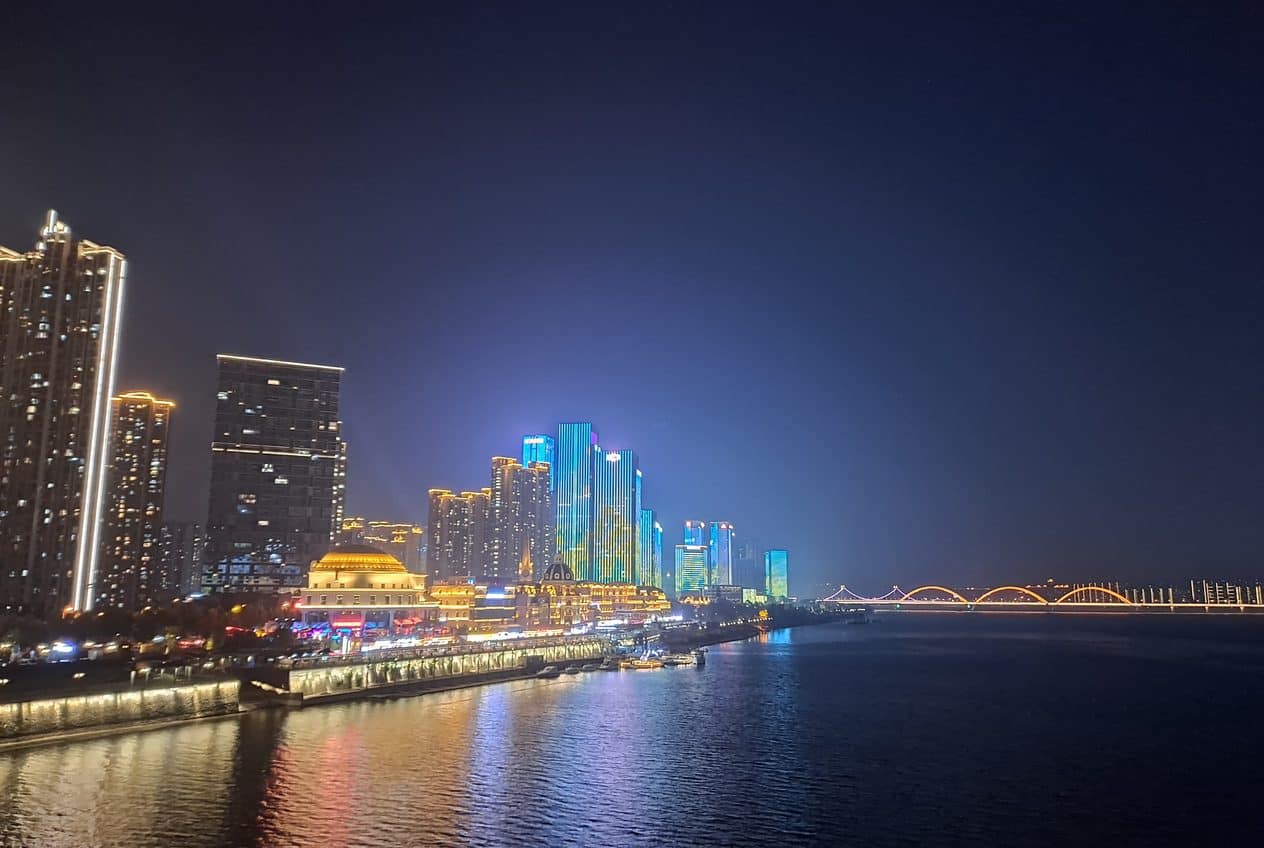
Du Fu River Pavilion & the Xiang Riverside
A riverside pavilion for a poet who drifted here at the end of his life. Climbing it is ¥18 with concessions most guides never list — but the promenade outside is free, and it is the best stretch of Changsha after dark.
Practical reading
The practical guides you will actually use on this trip.
FAQ
Is 3 days enough for Changsha?
Comfortably — and two is defensible if you keep Day 2's evening, which is the part that makes the city distinctive. Changsha has one genuinely big sight day and then a food culture that rewards time rather than more destinations, so a fourth day here is about eating better, not seeing more.
Changsha or Chengdu, if I only have time for one food city?
They are different kinds of heat and different paces. Sichuan is numbing and slow, built around teahouses and lingering. Hunan is sharp, salted and late — the city peaks around 22:00 and the signature dishes are fish head with chopped chilli and crayfish eaten with your hands. If you want to relax, Chengdu. If you want the nightlife, Changsha.
Is the milk-tea queue worth it?
It is a local chain with branches all over the centre, so the answer is to take whichever one has the shortest line rather than queueing at the famous branch. Day 1 puts it at 17:00 precisely because that is a trough rather than a peak. The drink is good; the two-hour queue is a social phenomenon, not a verdict on the tea.
Which day absorbs bad weather?
Day 3, almost entirely. It is built from covered food streets, a museum-adjacent afternoon and an optional pavilion, so it can be rearranged indoors without losing anything. Day 1 is the one that suffers in rain — the island and the hill are both outdoors, and the island's time-slot booking makes it awkward to slide.
Is Changsha worth a stop between Beijing and Guangzhou?
It sits on the Beijing–Guangzhou high-speed trunk, which makes it one of the easiest stops in China to insert. Whether it is worth it depends on what you travel for: for monuments, no — Xi'an and Nanjing have far more. For food and for a Chinese city that is loud and young rather than historic, it is the best two-night stop on that line.
Other itineraries
GoChinaTravel Editorial Team
Our team of China travel researchers combines on-the-ground contributor insights, official government sources, and traveler community feedback to create the most detailed English-language China guides available. Every guide is fact-checked against primary sources (NIA, 12367, official attraction websites, Railway 12306) before publication.