Hunan Food & Nightlife
Changsha — Where Young China Goes to Eat
Hunan's fiery food capital, a river island of gardens and statues, and one of China's liveliest night scenes
📅Best Time
October–November and March–April
🗓️Stay
2–3 days (recommended)
✨Vibe
Spicy · Youth · Late nights
Changsha is the city young Chinese people travel to in order to eat, and that tells you most of what you need to know. The capital of Hunan is famous for three things: some of China's hottest and most exciting food; a long island in the Xiang River with gardens and a monumental stone head; and a nightlife that keeps the streets full well past midnight. It is not a city of grand monuments — it runs on street snacks, tea shops and energy. For a foreign visitor it is the most vivid introduction to a younger, more casual China than the imperial capitals show you.
✨ City Highlights
🍊
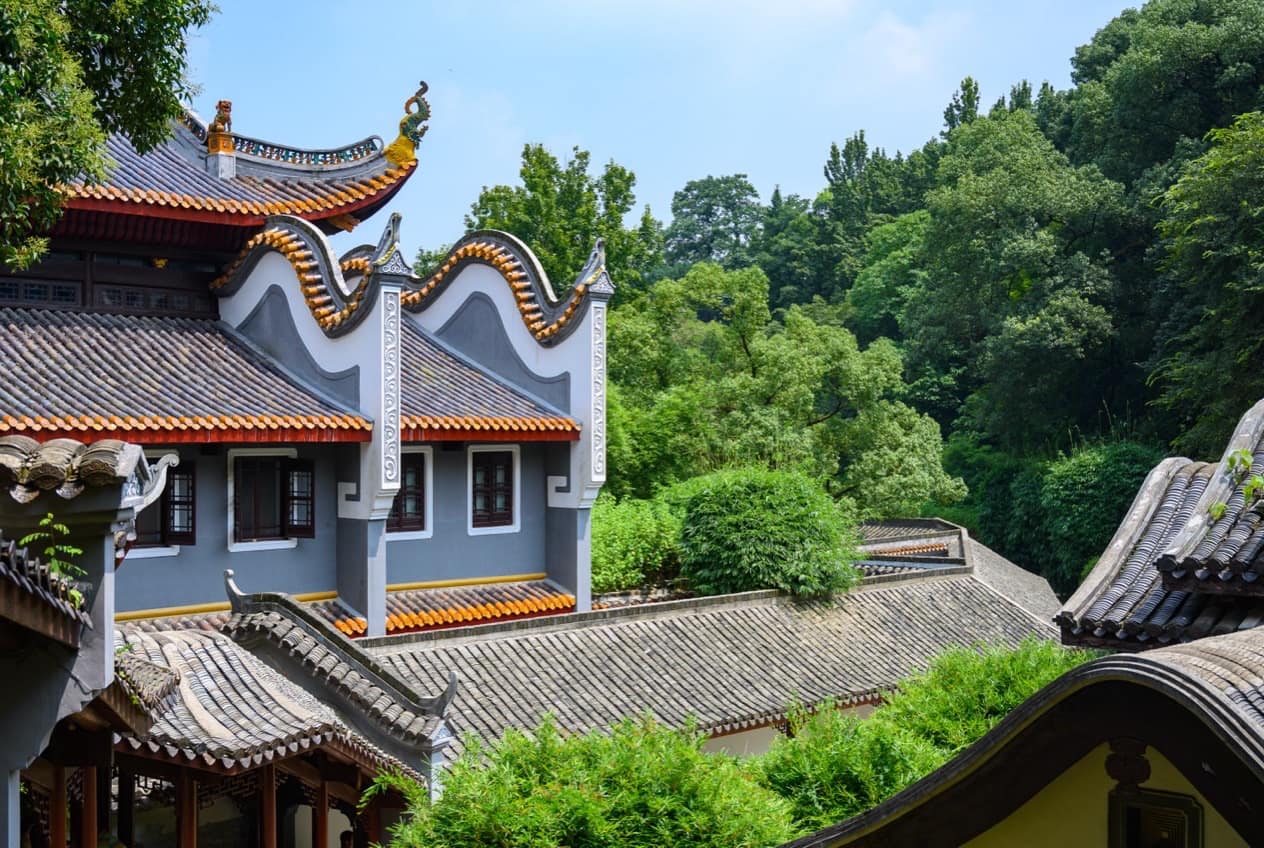
Orange Isle (Juzizhou)
A long island in the Xiang River with gardens, riverside paths and a monumental stone head at the southern tip. Free to enter, 07:00–22:00; the sightseeing train and river cruises are separately priced. Capacity-controlled at weekends.
⛰️
Yuelu Mountain & Academy
A forested hill on the west bank, free to walk. The 1,000-year-old Yuelu Academy inside it is ticketed at ¥40 (¥20 concession) and needs a named reservation up to four days ahead.
🏺
Hunan Museum
Home to the Mawangdui Han tomb finds — lacquer, silk and documents preserved for two thousand years, among the most important archaeological holdings in China. Free, but reserve a slot ahead.
🌶️
Taiping Street & the food alleys
The old-town snack street and the lanes around it — ground zero for stinky tofu, crayfish and grilled skewers. Go hungry, and go early in the evening.
🏮
Super Wenheyou
A vast multi-storey retro-1980s dining complex that is as much a stage set as a restaurant. Thoroughly tourist-packed, and genuinely fun to wander.
🏙️
Wuyi Square after dark
The IFS towers and the pedestrian streets around them keep going past midnight. Changsha runs on a later clock than almost any Chinese city.
📌 Insider Tips
- ▸Hunan food is genuinely, seriously hot — a direct, drying heat rather than Sichuan's numbing kind. Order 微辣 ('slightly spicy') to start and know that it can still be punishing. Yogurt drinks and milk tea are the local antidote.
- ▸Changsha runs on a late clock. Restaurants, tea shops and streets stay busy past midnight, and the famous stinky tofu and crayfish stalls are at their best after dark. Shift your meal times later than you would elsewhere.
- ▸Hunan Museum needs an advance reservation slot even though entry is free, and Orange Isle applies crowd controls at weekends. Book the museum before you travel and do the island on a weekday if you can.
- ▸Yuelu Mountain is free but the Academy inside it is not — ¥40 full price, ¥20 concession, with a named reservation openable up to four days ahead. Opening hours shift seasonally, roughly 07:50–17:00 in winter and to 17:30 in summer.
- ▸Chayan Yuese is a genuine local phenomenon with queues at almost every branch. The queue is part of the experience; if you would rather not wait, the chain has enough outlets that a quieter one is usually a few streets away.
- ▸Summer is brutal — Changsha is one of China's so-called 'furnace' cities, hot and very humid. October–November and March–April are the comfortable windows.
- ▸The city sits on the Beijing–Guangzhou high-speed line, roughly 1.5h from Wuhan and 3h from Guangzhou, which makes it an easy mid-route stop rather than a destination you need to fly to.
🗓️ Day-by-Day Itinerary
Curated routes — what to do, hour by hour
🍊
Day 1
Orange Isle & Yuelu Mountain
The river island in the morning, the academy hill in the afternoon.
- 🍊09:00
Orange Isle (Juzizhou)
Metro Line 2 stops on the island. Gardens, riverside paths and the monumental stone head at the southern tip. Free entry, 07:00–22:00; weekends are capacity-controlled, so go early or midweek. Allow 2h.
- 🍜12:00
Lunch: Hunan rice noodles
Flat rice noodles in broth with your pick of toppings — ¥10-20 at a streetside shop. The everyday Changsha bowl.
- ⛰️14:00
Yuelu Mountain & Yuelu Academy
The hill is free to walk. The 1,000-year-old academy inside is ¥40 (¥20 concession) and needs a named reservation up to four days ahead — book it before you set out. Allow 2h.
- 🧋17:00
Chayan Yuese milk tea
The local tea-chain phenomenon, with queues almost everywhere. Try one signature cup, ¥15-25. Branches a few streets off the main drag queue less.
- 🌶️19:00
Dinner: chopped-chilli fish head
A whole fish head steamed under red and green pickled chillies, ¥60-120. Order 微辣 to start — Hunan heat is serious, and milk or yogurt helps.
🍜 Food Highlights
The dishes you can't leave without trying
🧆Must Try
Stinky tofu
¥10-20
Black, fried crisp, chilli-topped — Changsha's defining snack.
🦞Signature
Crayfish (口味虾)
¥100-200
Fiery late-night stir-fry, eaten by hand with gloves.
🐟Iconic
Chopped-chilli fish head
¥60-120
Steamed under a blanket of red and green pickled chillies.
🍜Everyday
Hunan rice noodles
¥10-20
The everyday breakfast bowl, with dozens of toppings to choose from.
🧋Local
Chayan Yuese milk tea
¥15-25
The local chain phenomenon — expect a queue at most branches.
💰 Budget (per person)
Backpacker / Mid-range / Luxury
| Category | 💚 Budget | ✨ Mid-range | 💎 Luxury |
|---|---|---|---|
| 🏨Accommodation | ¥70-220 | ¥280-550 | ¥900+ |
| 🍜Food per day | ¥80-150 | ¥200-400 | ¥500+ |
| 🏺Hunan Museum | Free (reserve ahead) | Free | Free |
| 🍊Orange Isle | Free | ¥118 (day cruise + train) | ¥198 (night cruise) |
| ⛰️Yuelu Academy | ¥20 (concession) | ¥40 | ¥40 |
| 🚇Transport & metro | ¥20-40 | ¥60 | ¥200 (taxis) |
| Total | ¥280/day | ¥650/day | ¥1,500+/day |
Changsha is cheap to enjoy: the museum is free, the island and the mountain cost nothing to walk, and the only real ticket is the ¥40 academy. Almost all of your money goes on food — which is the point, and which is famously good value here.
🏨 Recommended Hotels
| 🎒 | Budget | Hostels & inns | Wuyi Square / Taiping Street | ¥70-220 |
| 🏨 | Mid-range | Business hotels | Wuyi Square / Furong | ¥280-550 |
| 🎨 | Boutique | Design hotels | IFS / riverside | ¥500-1,000 |
| ✨ | Luxury | International five-stars | Wuyi / riverside | ¥900+ |
🗺️ Full Guide
🍜
Eat
- Stinky tofu (臭豆腐)
Changsha's defining snack, and different from other regional versions: black, fried crisp, then topped with chilli sauce and pickled radish. ¥10-20 a box from any street stall.
- Crayfish (口味虾)
The late-night staple — freshwater crayfish stir-fried in a fiery garlicky sauce, eaten by hand with gloves. ¥100-200 a portion, and best after 21:00.
- Chopped-chilli fish head (剁椒鱼头)
A whole fish head steamed under a blanket of red and green pickled chillies — the signature Hunan restaurant dish. ¥60-120, usually shared.
- Hunan rice noodles (米粉)
The everyday bowl: flat rice noodles in broth with your choice of dozens of toppings. ¥10-20 at a streetside shop, eaten for breakfast or lunch.
🏨
Stay
- Wuyi Square
The centre of everything — metro interchange, the IFS towers, the pedestrian streets and the night scene all here. Most convenient, and the loudest.
- Taiping Street area
Right in the old-town snack district, which is the point of the trip for most visitors. Cheapest for hostels, and noisy well past midnight.
- Riverside / Xiangjiang
Quieter, with views across to Orange Isle and Yuelu Mountain, and a short metro ride from the food streets. Best if you want to sleep.
🚇
Getting Around
- Metro
Clean and still growing, covering the centre, Orange Isle, Yuelu and both rail stations for ¥2-6 with an Alipay or WeChat QR code. Line 2 links most of the key stops.
- Orange Isle station
Metro Line 2 stops on the island itself, which is the easiest way in. From there the island is walkable end to end, or take the sightseeing train.
- High-speed rail
Changsha South is on the Beijing–Guangzhou line — about 1.5h to Wuhan, 3h to Guangzhou, 5h to Beijing. Huanghua airport serves domestic and some international routes.
- Ride-hailing late at night
Because the city runs late, Didi is the practical way home after the food streets close down. The metro stops well before the crayfish stalls do.
✅ Pre-Departure Checklist
Tick these off before you leave home
⚠️ Heads-Up & Things to Avoid
- ⚠Hunan chilli is on a different level from most Chinese regional food, and 微辣 ('slightly spicy') can still be intense. Start mild, keep dairy on hand, and stop before it stops being enjoyable.
- ⚠Hunan Museum requires an advance reservation slot even though it is free, and Orange Isle applies crowd controls at weekends. Both catch out walk-up visitors.
- ⚠Yuelu Academy is ticketed and reservation-based, and its hours change with the season. Several guides describe Yuelu Mountain as simply free, which is true of the hill but not of the academy inside it.
- ⚠The nightlife districts stay loud past midnight. If you need quiet sleep, book away from Taiping Street and the Wuyi Square bar area.
- ⚠Summer heat and humidity are punishing. Carry water, stay in the shade, and move indoor activities to the middle of the day.
Where to Go Next
Routes travellers actually take from here — with rail times and why the pairing works.
Before You Go
The practical guides you'll want open on your phone while you're here.
Chinese Food BasicsA first-timer's guide to eating in China: the regional cuisines explained, dishes to order by region, how spicy Sichuan actually is, breakfast, street food safety, vegetarian options and table etiquette.High-Speed RailHow to use China's high-speed rail network as a foreign visitor: booking with a passport, what G, D, C, K and T trains mean, seat classes compared, station procedures, luggage rules and the routes worth taking.Best time to visitWhen to visit China by month and region, why Golden Week and Chinese New Year are the two weeks to avoid, and how to pick dates for the Great Wall, Guilin, Harbin or Yunnan.Paying in ChinaComplete guide to paying in China as a foreign visitor: setting up Alipay and WeChat Pay with an overseas card, the 3% fee threshold, whether cash still works, ATM charges, tipping, and what to do when a payment is declined.
Explore other cities
GoChinaTravel Editorial Team
Our team of China travel researchers combines on-the-ground contributor insights, official government sources, and traveler community feedback to create the most detailed English-language China guides available. Every guide is fact-checked against primary sources (NIA, 12367, official attraction websites, Railway 12306) before publication.