Route overview
Chengdu is the city where an efficient itinerary is the wrong itinerary. Its actual appeal is a pace — teahouses that people sit in for four hours, a food culture built on lingering, a river district that only makes sense in the evening — and a route that treats it as a checklist misses the entire point. So this one front-loads the two things that genuinely reward early starts and then deliberately slows down. Day 1 opens at the Panda Base, because pandas are meaningfully more active in the first two hours and the difference is not subtle, then drops into Wuhou Shrine, Jinli and the Kuanzhai alleys. Day 2 is the slow day and the one visitors remember: People's Park, Du Fu's Cottage, and an evening on the Jiuyanqiao riverfront. Day 3 reaches back to the Shu bronzes at Jinsha and out to Mount Qingcheng, then closes with face-changing opera. If you are cutting to two days, drop Day 3 — not Day 2. Day 2 is the city.
| Length | 3 days, 2 nights |
|---|---|
| Best for | Slow travellers, food-led trips, southwest China gateways |
| Pace | Gentle — one early start, then deliberately unhurried |
| Getting around | Metro and ride-hailing; Mount Qingcheng by rail |
| Must reserve ahead | Panda Base; face-changing opera seats |
Day 1
Pandas & Three Kingdoms
Panda Base · Wuhou Shrine · Jinli · Kuanzhai Alleys
- 07:30
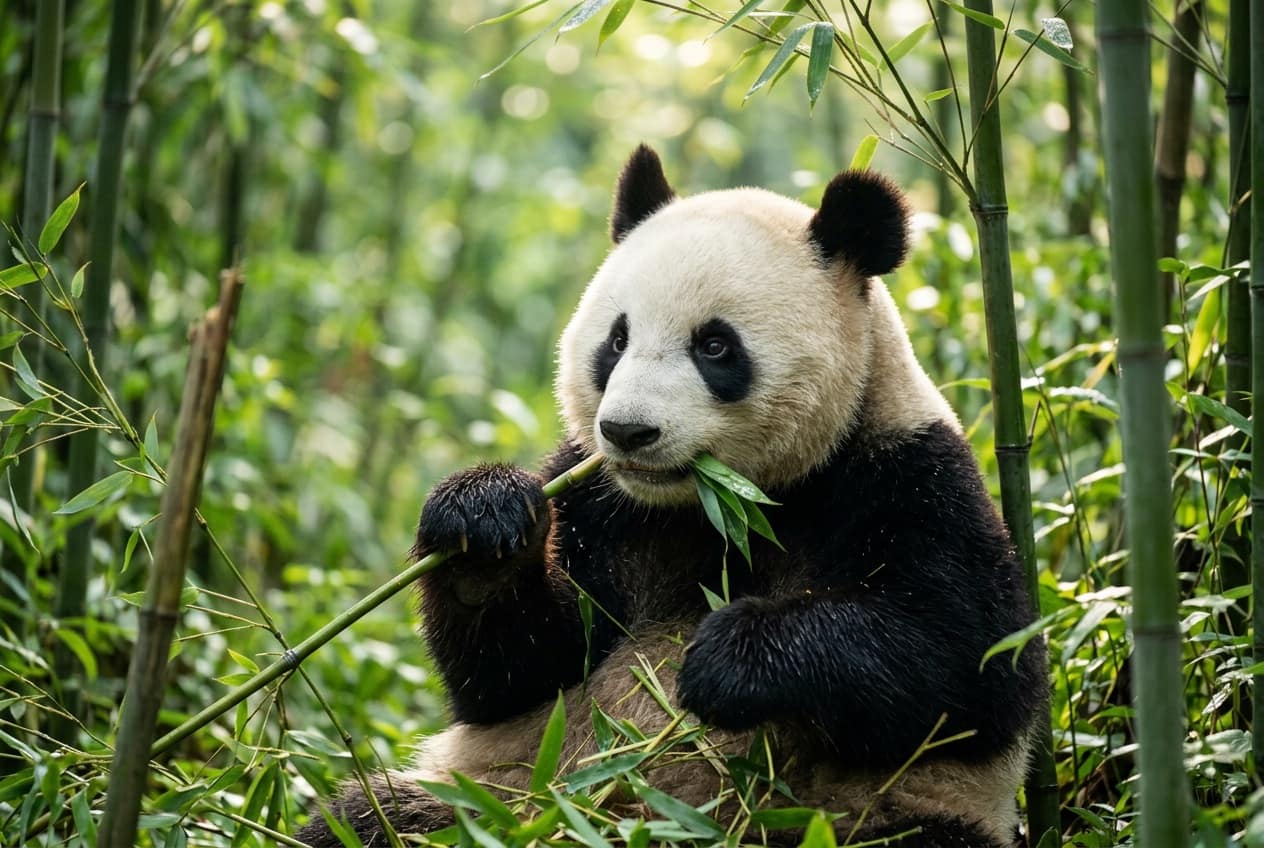
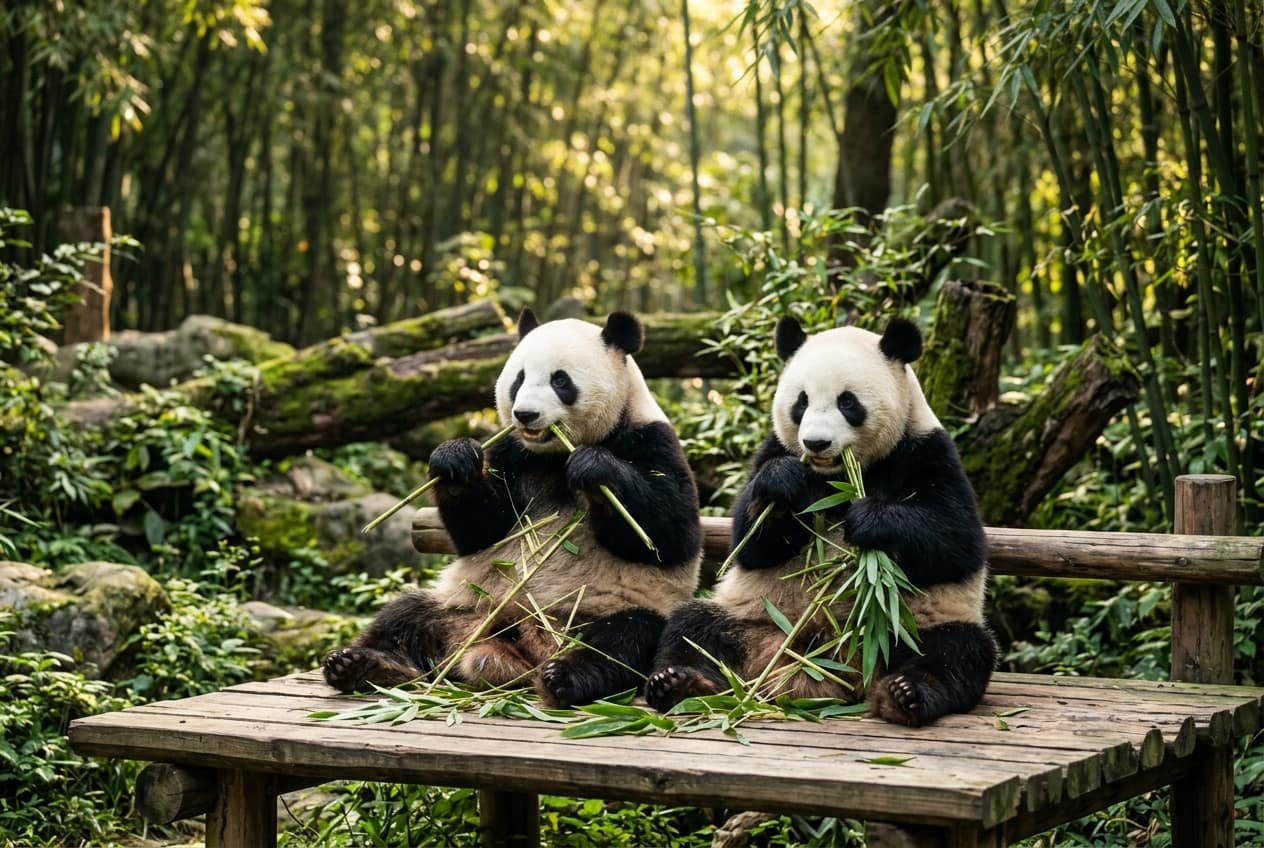
Chengdu Panda Base
Metro Line 3 to Panda Avenue + shuttle. ¥55. ARRIVE AT OPENING — pandas retreat indoors by 9:30. Moonlight Nursery first. 3-4 hours.
- 12:00
Lunch: Bobo Chicken + Sweet Water Noodles
Cold skewers in chili/pepper broth + chewy sesame-chili noodles. ¥40-60.
- 14:00
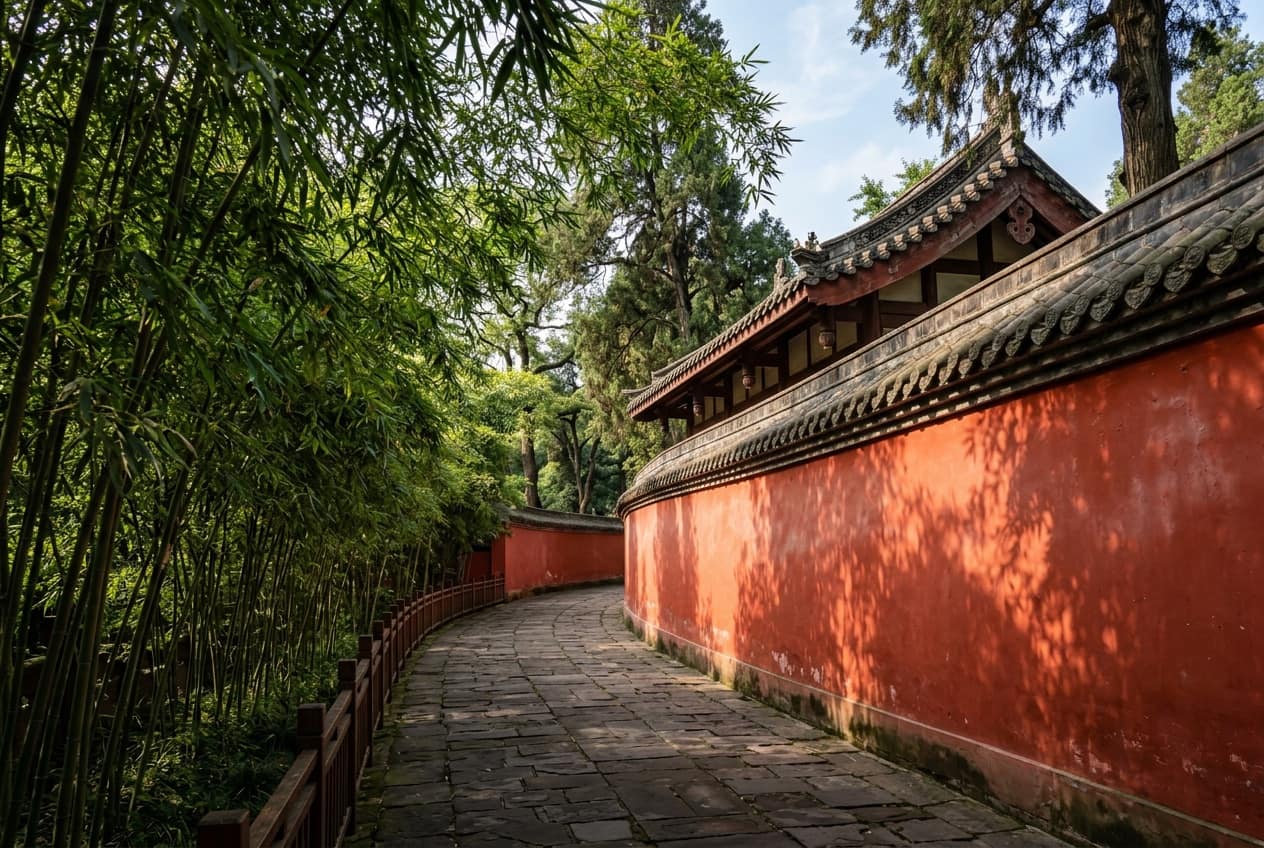
Wuhou Shrine
¥50. The only shrine worshipping emperor + minister together (Liu Bei & Zhuge Liang). Three Kingdoms pilgrimage. 1.5h.
- 16:00
Jinli Ancient Street
Lantern-lit Ming-Qing pedestrian street next to Wuhou. Photogenic at dusk — walk & snack, don't make it your dinner.
- 18:30
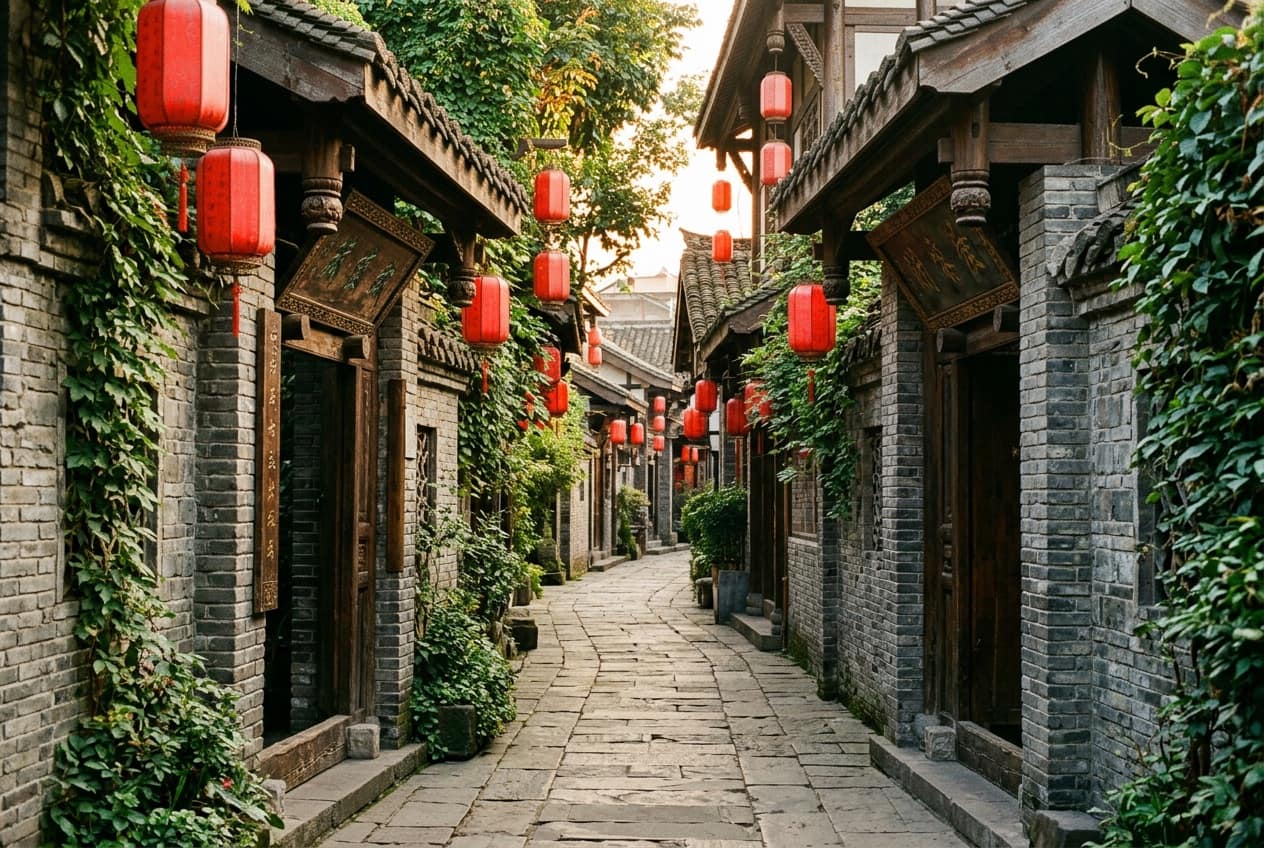
Kuanzhai Alleys
Wide/Narrow/Well alleys — Qing courtyards turned teahouses & shops. Real food is on Kuixinglou St nearby.
- 20:00
Dinner: First Sichuan Hotpot
Shu Daxia or Ming Ting. Get the split pot! Beef tripe, goose intestine, duck blood. Sauce = garlic + sesame oil + oyster sauce. No sesame paste!
Day 2
The Art of Doing Nothing
People's Park · Du Fu's Cottage · Taikoo Li · Jiuyanqiao
- 09:30
People's Park & Heming Teahouse
Metro Line 2. The most therapeutic morning in China. Gaiwan tea ¥15-20, ear-cleaning ¥30. Watch mahjong. Stay 2+ hours.
- 12:00
Lunch: Wenshu Monastery food zone
Yan Taipo Guokui + Dongzikou noodles. Hidden food paradise. Visit the free 1,400-year temple too. ¥15-25.
- 14:00
Du Fu's Thatched Cottage
¥50. China's greatest poet's exile home. Bamboo gardens, ponds, shade. 1.5-2h.
- 17:00
Taikoo Li & IFS Panda
Metro to Chunxi Road. Sichuan-style architecture + the climbing-panda (see its face from the 7F terrace). Fangsuo Bookstore.
- 20:00
Jiuyanqiao & Yulin Road
Nightlife crescendo. Anshun Bridge lights reflect in the river, riverside bars with live folk. ¥50-100.
Day 3
Ancient Shu & Mountain Escape
Jinsha Museum · Mt. Qingcheng · Face-Changing Opera
- 09:00
Jinsha Site Museum
Metro Line 7. ¥70. 3,000-year Shu Kingdom site built over the excavation pits. Sun & Immortal Birds gold foil. 2h.
- 11:30
Lunch: Mapo Tofu + Twice-Cooked Pork
The two most iconic Sichuan dishes at a local restaurant. ¥50-80.
- 13:00
Mt. Qingcheng (or Dujiangyan)
Intercity train ~45 min. ¥80. Birthplace of Taoism, "most serene mountain." Or Dujiangyan's 2,270-year UNESCO irrigation. 4-5h.
- 19:00
Farewell: Chuan Chuan + Face-Changing
Casual skewer hotpot (¥60-80) then Sichuan opera face-changing at Shu Feng Ya Yun. ¥120-200. Brain-breaking magic.
Before you go
The Panda Base is the only genuinely time-sensitive stop. Pandas are most active early and sleep through the middle of the day, so arriving at opening is not a minor optimisation — it changes what you see.
Do not schedule Day 2. The teahouse afternoon is the one part of this route that works better with nothing booked; treat the listed times as a suggestion rather than a plan.
Sichuan 'not spicy' is a negotiation, not a setting. If you have a low tolerance, say so at the point of ordering rather than assuming a dish will arrive mild.
Mount Qingcheng is a half-day minimum. Day 3 only holds together if you leave the city early; going after the Jinsha museum makes it a rushed afternoon.
Stops on this route
Open an individual guide for tickets, opening hours and how to get there.
Chengdu Panda Base
Chengdu's flagship giant panda breeding and research base, best visited early in the morning when the pandas are active.
Wuhou Shrine & Jinli Street
A Three Kingdoms memorial complex with its famous red-wall corridor, next to the lantern-lit Jinli commercial street.
Kuanzhai Alley
Three restored lanes of grey-brick courtyards, teahouses and craft shops in central Chengdu, free to walk at any hour.
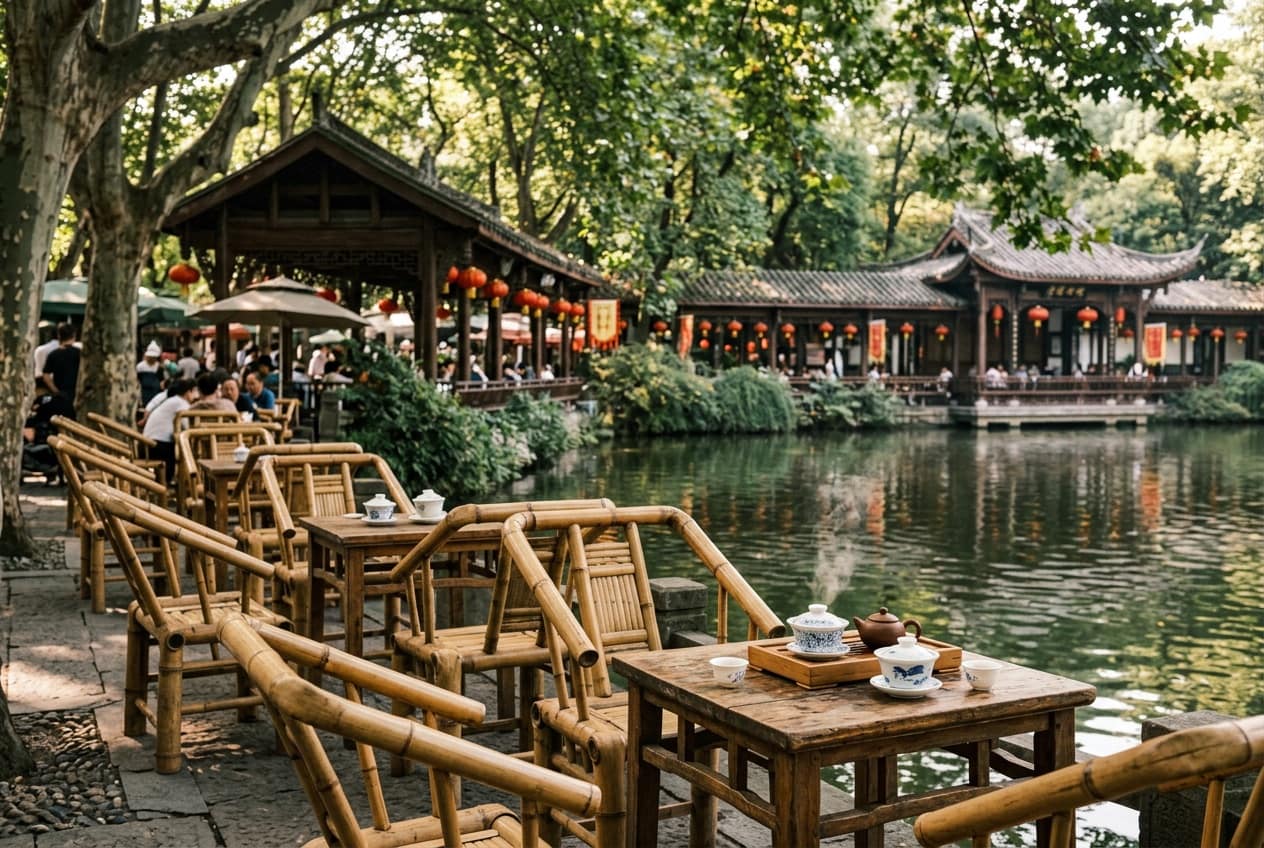
People's Park & Heming Teahouse
Chengdu's century-old public park and its best-known teahouse, where covered-bowl tea and bamboo chairs define the city's slow pace.
Practical reading
The practical guides you will actually use on this trip.
FAQ
Is 3 days enough for Chengdu?
For the city and one half-day out, yes. Three days covers the Panda Base, the Three Kingdoms sites, a proper teahouse day and either Mount Qingcheng or Jinsha. It is not enough to add the Leshan Giant Buddha, which needs its own day.
Can I add the Leshan Giant Buddha?
Only as a fourth day. Leshan is a full-day round trip by high-speed rail plus local transport and a lot of steps. Swapping it into Day 3 means losing both Mount Qingcheng and the museum, which is a poor trade.
Is Chengdu a good base for the rest of southwest China?
Yes, and that is a common way to use it. Chongqing is a short high-speed rail hop for a completely different hotpot culture, and Lijiang and western Sichuan are both reachable onward. Using Chengdu as a soft-landing first stop before harder destinations works well.
Do I need to book the panda base in advance?
Yes — it operates on advance reservation and sells out in peak periods, which is worth handling before you arrive because Day 1 is built around being there at opening. Check the attraction guide for the current booking channel.
Other itineraries
GoChinaTravel Editorial Team
Our team of China travel researchers combines on-the-ground contributor insights, official government sources, and traveler community feedback to create the most detailed English-language China guides available. Every guide is fact-checked against primary sources (NIA, 12367, official attraction websites, Railway 12306) before publication.