Route overview
Xi'an is the rare Chinese city where three days is genuinely the right number rather than a compromise. The Terracotta Army is the reason almost everyone comes, and it is an out-of-town half-day that pairs naturally with Huaqing Palace on the same road — which is exactly what Day 1 does, finishing back inside the walls on a bike. Day 2 then supplies the context the warriors lack: the Shaanxi History Museum is where the objects are explained, and the Tang-themed streets nearby are the modern city's own loud answer to its history. Day 3 drops the dynasties entirely for the Muslim Quarter, the Great Mosque hidden behind it and the Stele Forest, which together are the living remains of Xi'an as the eastern end of the Silk Road. The order matters more here than in most cities: seeing the museum before the warriors makes the museum dull, and seeing it after makes the warriors retrospectively make sense.
| Length | 3 days, 2 nights |
|---|---|
| Best for | History-first travellers, high-speed rail stopovers |
| Pace | Moderate — one half-day out of town, two city days |
| Getting around | Metro and walking in the walls; bus or car to the warriors |
| Must reserve ahead | Shaanxi History Museum; Terracotta Army in peak season |
Day 1
Qin archaeology
Terracotta Warriors · Huaqing Palace · City Wall Bike
- 08:00
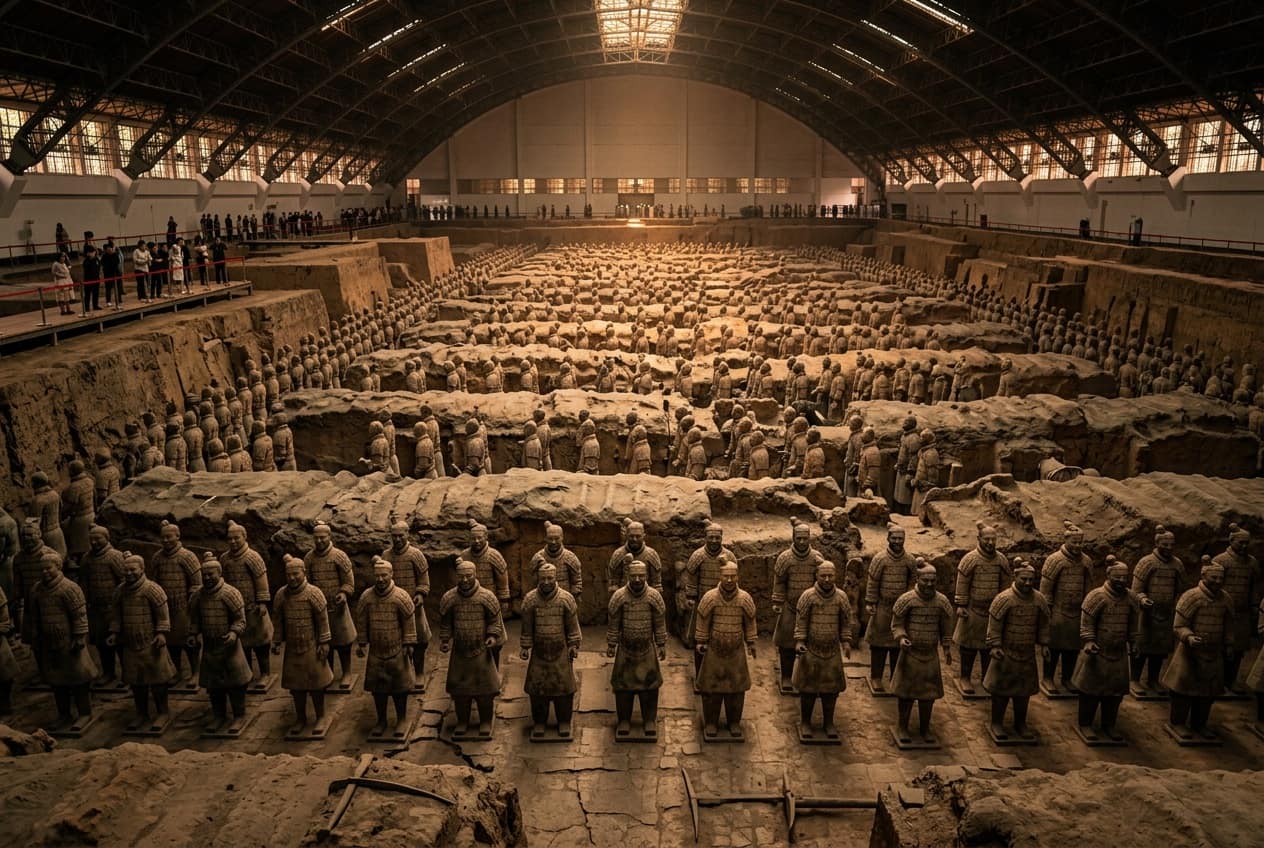
Terracotta Army
Metro Line 9 to Huaqingchi + Bus 613. ¥120. Book ahead. Pit 1 → 3 → 2 → bronze chariots. HIRE A GUIDE (¥20) — each warrior's face is unique. 3h.
- 12:00
Lunch: Lintong local eats
Biangbiang noodles outside the museum. In autumn grab Lintong fire-crystal persimmons.
- 14:00
Huaqing Palace (optional)
¥120. Tang hot-spring palace of Yang Guifei; site of the 1936 Xi'an Incident. Skip if Tang history isn't your thing.
- 17:30
City Wall Sunset Bike
South Gate, ¥54 + ¥45 bike. Ride South → West Gate toward the sunset. Golden light on 600-year grey brick. Xi'an's most romantic moment.
- 20:00
Dinner: Yongxingfang
Organized food street east of the wall. Zichang pancakes, royal noodles, bowl-smashing wine (¥5). ¥50-80.
Day 2
Han & Tang Glory
Shaanxi History Museum · Wild Goose Pagoda · Great Tang Night
- 08:30
Shaanxi History Museum
Metro Line 2/3 to Xiaozhai. Basic admission is commonly free but reservation rules change. Agate beast-head cup, Tang tri-color camel. Check current audio-guide terms. 3h.
- 12:30
Lunch: Aihua Belt Noodles
Belt-wide biangbiang noodles in a metal basin, chili oil + garlic. The definitive Shaanxi carb. ¥30-50.
- 14:30
Giant Wild Goose Pagoda
¥40 (+¥25 climb). Xuanzang translated scriptures here. Walk around it even if you don't climb.
- 17:30
Great Tang All-Day Mall
2km Tang-style street that lights up after dark. Hanfu crowds, the famous Tumbler Lady. Free. 2h.
Day 3
Silk Road Xi'an
Muslim Quarter · Great Mosque · Paomo · Stele Forest
- 08:30
Muslim Quarter — start at Sajinqiao
Metro Line 1 to Sajinqiao. Avoid the touristy main street. Lao Mijia hula soup + Yang Tianyu cumin-beef roujiamo. ¥8-15.
- 10:00
Gao Family Mansion + Shadow Puppets
¥30 incl. show. Ming official's residence, 20-min shadow puppet performance with Qin opera.
- 11:30
Great Mosque of Xi'an
¥25. 1,300 years old, entirely Chinese architecture — no domes or minarets. Silk Road fusion at its finest.
- 13:00
Lunch: Yangrou Paomo
Tear the bread into chickpea-sized pieces yourself (15-20 min), they cook it in lamb broth. Eat with pickled garlic. ¥30-45.
- 15:00
Shuyuanmen & Stele Forest
¥65. Calligraphy & antique lane + China's greatest stele collection (Yan Zhenqing, Liu Gongquan, Ouyang Xun).
Before you go
Book the Shaanxi History Museum before anything else. It is free but reservation-only and slots go early, and Day 2 is built around it — if you cannot get a slot, swap Days 2 and 3.
Go to the warriors at opening, not after lunch. Day 1 starts early for one reason: the three pits are indoor, enclosed and get uncomfortable once the tour groups arrive.
Keep the city wall for late afternoon. It is the one stop on this route that is better in low sun, and cycling the loop is also the least demanding way to end a long day.
The Muslim Quarter is a dinner destination that opens late and gets dense. Day 3 puts it at the end deliberately; going at midday means heat, crowds and half the stalls shut.
Stops on this route
Open an individual guide for tickets, opening hours and how to get there.
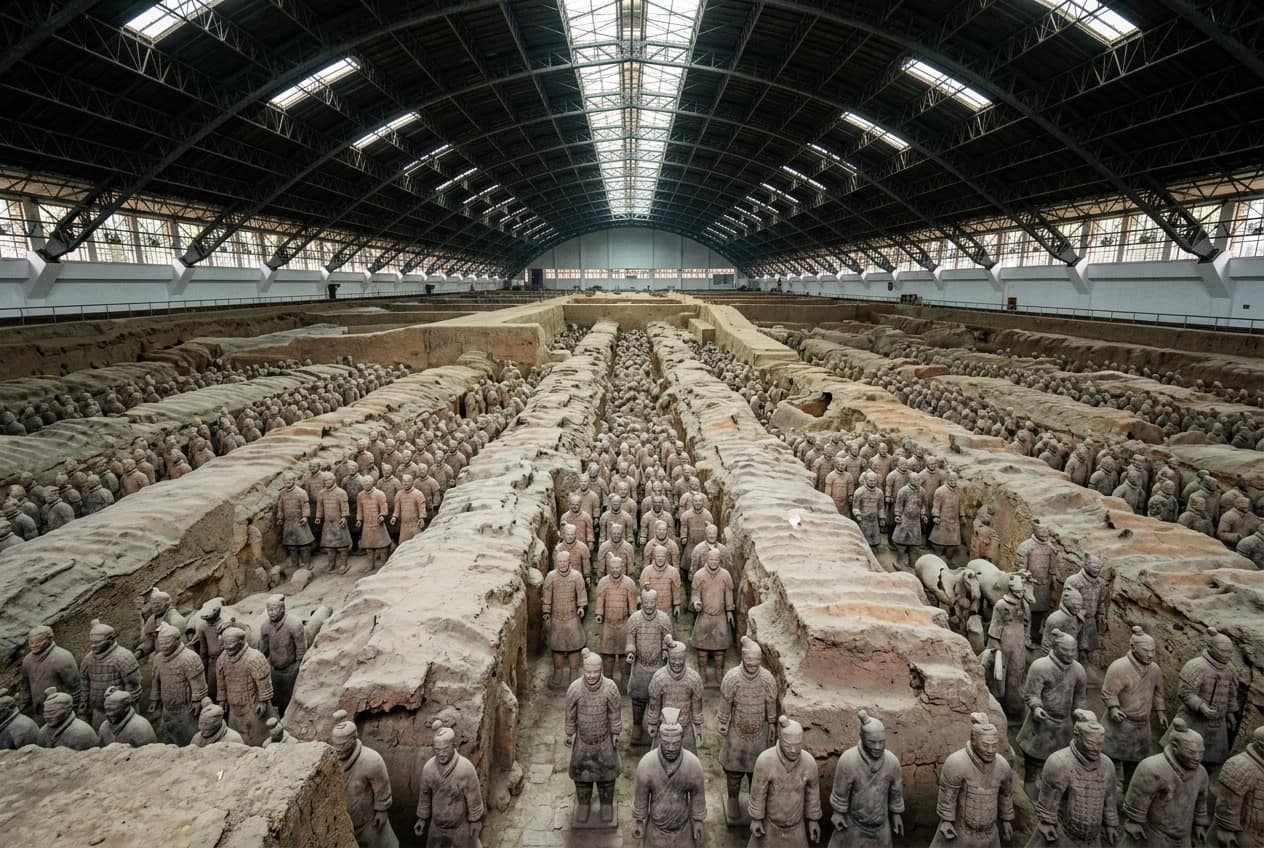
Terracotta Army
A half-day archaeological visit to the Qin emperor's terracotta figures and related museum grounds east of Xi'an.
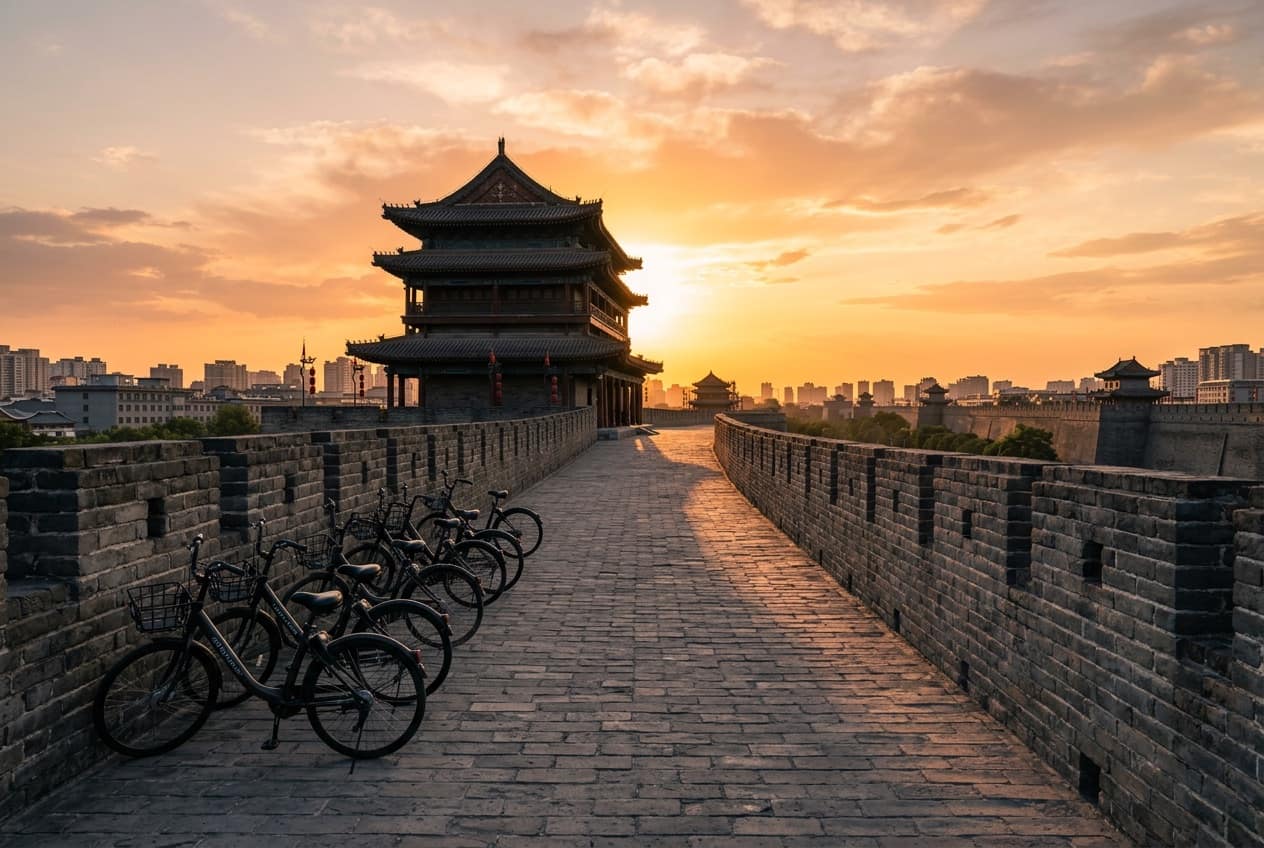
Xi'an City Wall
A broad Ming-era wall for walking, cycling and sunset views above the historic city center.
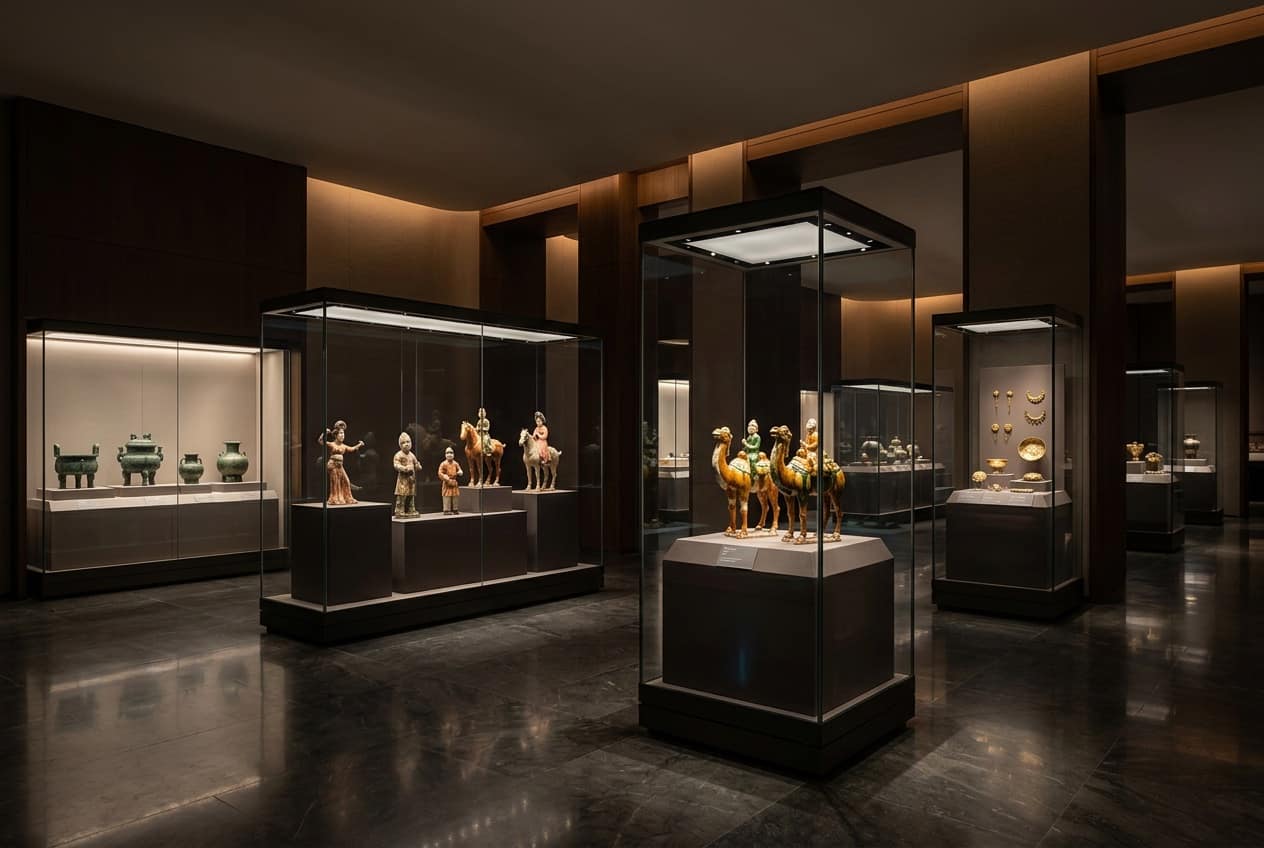
Shaanxi History Museum
A major collection of Shaanxi archaeology and Tang-era art, with free admission commonly tied to advance reservation.
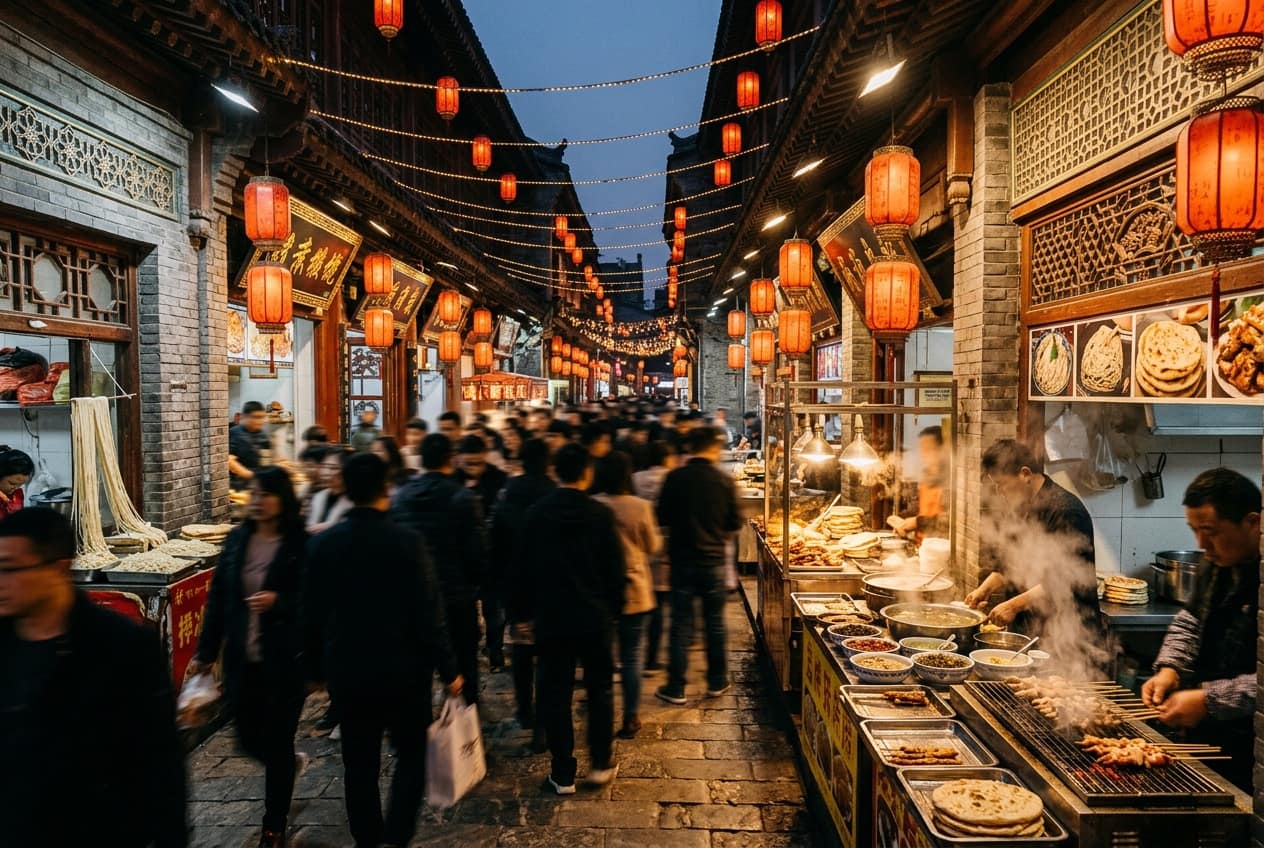
Xi'an Muslim Quarter
A walkable food district of halal noodles, lamb dishes, flatbreads and historic lanes near the Bell and Drum Towers.
Practical reading
The practical guides you will actually use on this trip.
FAQ
Is 3 days enough for Xi'an?
For the city itself, yes — three days covers the warriors, the museums, the wall and the Muslim Quarter without rushing. You need a fourth day only if you want to add Mount Hua, which is a full-day trip and cannot be squeezed into any of these three.
Can I see the Terracotta Army and Mount Hua on the same trip?
Yes, but not in three days. Mount Hua is a full day with a significant climb or cable car queue, and it sits in the opposite direction from the warriors. Add it as Day 4 rather than trying to compress Day 1.
Is Xi'an worth it as a 2-day stop between Beijing and Chengdu?
It works, and the rail links make it easy, but you will have to cut. Run Day 1 (warriors plus the wall) and Day 3 (Muslim Quarter and mosque), and accept that you are skipping the museum that explains what you saw on Day 1. Three days is the point at which Xi'an stops feeling like a stopover.
How do I get to the Terracotta Army without a tour?
Independently is normal here. There is a direct public bus from near the main railway station, and ride-hailing works for the same trip at a higher cost. The site itself is well signposted in English, so the main thing a tour buys you is not access but not having to think about the return leg.
Other itineraries
GoChinaTravel Editorial Team
Our team of China travel researchers combines on-the-ground contributor insights, official government sources, and traveler community feedback to create the most detailed English-language China guides available. Every guide is fact-checked against primary sources (NIA, 12367, official attraction websites, Railway 12306) before publication.